The Parable of the Lemon Seed

If ever there was a time to make lemonade out of lemons, it is now.

But where to start? It’s small, simple acts that take the circumstances we are given and flip the expected outcome on its head. This is exactly the story of Keki and the Lemon Seed, a true, modern day parable. Never heard of it? That makes sense because it has never before been told. But here it is:

There once was a woman named Keki. She lived in Hawai’i, where her work required her to fly between the islands regularly (back in the day when that was possible). In those 20 minute puddle jumps the airlines attempted to quickly serve beverages between take off and landing. The cabin crew would roll their carts down the aisle passing out drinks in little plastic cups to each of the passengers and then hurriedly collecting them and any other trash before landing. This was true all day long, every day, on the little flights that hopped between each Hawai’ian island.

As a series of islands, Hawai’ians tend to be extra careful about their environmental impact. And, yet, this standard way of operating persisted. Keki typically just said no thank you to the cabin crew and brought her own, re-useable water bottle. But one day she forgot her water bottle and was incredibly thirsty so she resorted to the only option available: to take the airline plastic cup.

This bothered her – A LOT. As she sipped her airline water, she thought about what she could do to ameliorate the fate of the single-use plastic she was holding in her hand. She didn’t have a lot of time to think since it was such a short flight, but as the cabin crew came around to collect everyone’s trash, Keki held onto her cup and the lemon slice inside it. When she got home, Keki filled the plastic cup with soil and buried one of the lemon seeds deep within it. She then placed the little airline cup in a sunny window. Within days, a sprout had pushed through the soil, the budding of a lemon tree.

Keki’s was a simple gesture, and also an incredibly authentic and refreshing one. Keki repurposed a tiny plastic cup that would have gone straight to a landfill into something beautiful and alive. She didn’t exactly make lemonade out of lemons, but she did make lemons out of landfill.

Imagine if we all took stock of our daily impact on the Earth, as well as our connection to it, with the same consideration and consciousness. Imagine if we all went about our days intentionally, thoughtfully considering our choices and contemplating the way we live and act. Imagine if we weighed the impact of our actions on our global community as well as our local neighborhood. In the middle of a pandemic that has upended the world completely, if ever there were a time and a call to make lemonade out of our lemons, it is now.

For more on what we can do, the United Nations recently published a series of Sustainable Development Goals and monthly actions. That’s a great place to start.

As a reminder, I know I say this every time, but I can’t emphasize it enough. WE are the solution. At a time when nothing feels within our control and the problems seem extraordinarily large and insurmountable, we need to dig deep inside, pivot, and rise to the occasion. Small but measured steps – planting one little lemon seed at a time – is the way it is going to get done. Don’t wait for someone else to do it for you. We need to do better starting now – and we can.

Rebuilding in Times of Uncertainty

The only way to hear another’s story and to truly see their reality, is to be assured that our own stories have been heard, that we have been seen. Social isolation drives a stake deeper into the systemic social divisions that already exist between us, wedging ever wider the yawning gap between our reality and that of “others.”

Malcolm Jenkins Narrative

Months of coronavirus isolation have provided a stark window into how isolation affects an individual and a community. We are living what happens when people are cut-off and feel they have no control over their life: hopelessness prevails; children fall behind academically and emotionally; a scarcity mindset stokes protectionism and hoarding; anger and frustration simmer and then boil over.

Fear, powerlessness, and uncertainty have become unwelcome, familiar feelings. With the sand perpetually shifting beneath our feet, we find ourselves quagmired by the overwhelming tidal wave of disillusionment, division, and disenfranchisement. We can’t stay here. We need to take a deep breath, set our course, and keep moving forward so inertia and negativity don’t suck us in.

You might wonder where exactly we are supposed to move forward to, being in the middle of a pandemic and the wheels clearly coming off the cart and all? While everyone is focused on the loss of now, on this period of sacrifice and challenge, we have to constantly remind ourselves that this is a finite moment in time; that great opportunity comes from overcoming adversity; that history is full of stories of struggle, resilience, and hope.

There is SO MUCH WORK to be done to move our society toward being more whole and equitable. As a country reckoning with a heightened awareness of our divisions, how do we do better?

The way to begin to heal is to come together, solving the issues of isolation and racial division through deliberate, intentional connection and engagement. North Brookfield, a rural community of 4,800 in central Massachusetts, is spearheading a regional creative arts program – ROAR (Rural Opportunity through Art and Restoration) – to do just that.

The Brookfields region has been wrestling with its identity and isolation for twenty-five years. As with many rural communities nation-wide, un- or underemployment, intergenerational poverty, depression, and drug dependency have permeated the region. Small businesses that were the life-blood of small town centers were decimated as retail was sucked outward to major highways and big box shopping centers. Health care and social supports are difficult to access. Though Vibram continues to manufacture shoe soles locally, employment and advancement opportunities have declined. Isolation here has become status quo.

The Friends of the North Brookfield Town House (“Friends”) have worked for over a decade to preserve their community’s vacant town hall, an architectural masterpiece and once “the center of everything.” The deteriorating building’s location in a small, isolated community has meant that a traditional commercial use would be challenging, if not infeasible. Two years ago the Friends contacted Architectural Heritage Foundation (AHF), a Boston-based preservation organization, to help them with the puzzle of how to sustainably occupy the building.

AHF collaborated as a thought-partner, helping the Friends to recognize that renovating the Town House could catalyze change in their community and throughout the region, but only if complemented by additional economic development efforts. AHF recommended repainting the building, a small, empowering act that proved transformative in garnering broader support. The repainted Town House caught the attention of many area residents and was the catalytic spark that ignited a partnership with local recording company Long View Entertainment. Long View worked with the Friends to envision the building as an art and music center for at-risk rural communities.

ROAR, an expansion of Long View’s award-winning after-school program, will partner with Boston’s Berklee College of Music to offer educational and cultural programming featuring music, writing, storytelling, audio and video production, art, and theater click here for program offerings). Creative commerce education will build life skills, foster change, and inject energy – and hope. The program, anchored in a centrally-located historic structure that is meaningful to the community, will address from the inside-out the impacts of social isolation that divide and perpetuate separateness. ROAR will also provide work experience for Berklee students, infusing artistic talent from beyond the region and tearing down the rural-urban divide.

How does this help to heal? Data shows that tight family and community social networks can shield people psychologically from the stresses of having lower incomes, lower educational levels, or generally stressful living conditions. Dr. Tony Iton, from the University of California Berkeley, found that the social vulnerability resulting from poor schools, housing, transportation, and lack of access to healthy foods creates incubators of chronic stress that reduce life expectancy by 15 to 20 years as compared to higher income, healthier environments.[1] While Iton’s research primarily focuses on the inner city, poor rural areas face similar issues and outcomes. Meanwhile, a January 2019 National Governors Association report showed that rural counties that are home to performing arts organizations experienced higher incomes, population growth, and greater well-being and social inclusion than rural counties that lack performing arts institutions.[2]

Arts programing aimed at connection and diversification addresses both the turmoil boiling in our streets and economic vitality in distressed regions. In fact, the 2019 Massachusetts Rural Development Policy Plan highlighted “encouraging dialog and partnership between towns and regions; forming strong partnerships with regional academic institutions; developing youth leadership programs; redeveloping and reusing vacant industrial sites; growing local jobs and leveraging local assets; devoting more money to education; developing tourism and hospitality services; and promoting racial diversity”[3] as best practice. ROAR is all of these things.

ROAR at the Town House is piloting a replicable model that can be applied in other communities, not only in the Brookfields’ region but across Massachusetts and the nation. According to the New England Foundation for the Arts, “The creative economy is a powerful engine of growth and community vitality. A thriving cultural sector leads to thriving communities.” Creating a regional hub at the North Brookfield Town House will address downtown economic depression as well as rural social isolation.

When the world stopped, the arts, in all its forms, entertained and comforted us. It broke the barriers of quarantine and isolation by drawing us together. Now more than ever we need to be brought together to tell our stories, to be heard and seen, and to listen and learn.

All photographs are by Jason Baker @ jasonbakerphotography/

Footnotes:

[1] Iton, Dr. Anthony. (November 4, 2016 You Tube). “Change the Odds for Health,” TedX San Francisco, https://youtu.be/0H6yte4RXx0.

[2] Rood, Sally for the National Governor’s Association. “Rural Prosperity through the Arts & Creative Sector: A Rural Action Guide for Governors and States.” January 2019.

[3] Rural Policy Advisory Commission. Rural Policy Plan. Commonwealth of Massachusetts. October 2019, pg. 22.


Beyond Four Walls

We have to think big right now. And wide. Beyond what’s boxing us in.

People have a range of risk tolerances, values, and concerns. That is abundantly clear. In order to set up protocols for pandemic school in the fall means that all those risk tolerances and values and needs and wants are getting stewed together into one simmering pot. What people want and what is realistic may not be the same thing. Everyone wants something and pretty much everyone isn’t going to get everything.

All the arguing and division we are seeing in the national media and experiencing in our own social media feeds result from the sense – strike that, no, the fact – that we are trapped, that there are no good solutions that meet everyone’s needs and wants, and that this increasingly long period of upheaval feels as though it may never end. Sprinkle in a little conspiracy theory here, some uncertainty and fear there, and question science and facts with an onslaught of “what about-ism” and you end up with the centrifugal pull of a fast-spinning machine pushing people outward where we find ourselves with our backs suctioned against a wall, digging in our heels in an attempt to find solid ground, ironically ever more isolated and siloed from each other, and feeling rather nauseous.

So here we are.

Much of what we are experiencing is classic grief psychology. Grief is the acute pain that accompanies the loss of something we love. There’s a lot of loss in so many myriad ways right now. The response to that loss is the biggest variable, though. Some appear to be stuck in the anger, bargaining, and denial phases while others have grieved, been depressed, and moved on to acceptance.

What I know about grief, which has been my near constant companion the last several years, is that, while it feels counter-intuitive to face into the fire, that is in fact what needs to be done. While it feels like you should turn away from the pain, sadness, and loss to protect yourself, facing into it actually helps you heal faster, makes you stronger. The more you resist it and want to turn away, the stronger the pain becomes. It doesn’t slink off in the night because you have ignored it. No, it sits, bides its time, and quietly grows. By the time you deal with it it is so much bigger and more intense than it was originally. These days we witness daily the emotional devastation and turmoil that is wrought by crushed expectations and neglected grief.

Here’s a thought: instead of fighting with each other and arguing about the existence of or the impact of the virus and bombarding the superintendent/dean of students/president/you get the idea with hate mail and deluding ourselves into thinking that other school districts or private schools or whatever have figured this out, let’s all take a deep breath, call an adult time out, and step away from the screen. I made a rule for myself decades ago to wait 24 hours before I responded to something that irked or upset me. Typically if it still bothers you 24 hours later, it’s worth addressing. But a lot of problems lose their power if given a little time and, certainly, time affords clarity and calm in a response.

The trigger-happy, community-destroying, faction-inducing sparring on social media helps no one and advances no agenda other than an adrenaline rush. Everyone is so hyped and accusatory, constantly lobbing opposing news articles, demands, and opinions at each other. It’s like watching a pack of amped up dogs baring their teeth and straining at the end of their leashes looking for a fight. Take a day off. Trust me, you won’t miss anything. The needle won’t move one inch if you step away. Everyone already knows all there is to know – there aren’t any good or easy answers and that is what we are all living with.

Fine I won't give up but

SO, we make the choice to dig in and be angry and fan the flames. OR, we choose to take a deep breath and proceed with calm, flexibility, and acceptance. There is opportunity in this total explosion to our normal lives if we choose to see it. It demands that we pivot and get creative, dig deep and be resourceful, and truly think outside the box and beyond our four walls (and certainly outside the fours walls of a school building). The social contract of a functioning society demands that the majority respect each other and follow the established rules. We can all get through this period faster and more whole if we commit to taking a deep breath, accepting that this time is finite and also exceptionally challenging, and being respectful of each other, each other’s values and risk tolerances, and the reality that this is hard on almost everyone (except maybe people who invested in Zoom before March 2020). We would do well to face into the fire instead of trying to resist and hold it off. You don’t have to like it, but how you respond to this period is 100% your choice.

“It’s our choices that show us who we truly are, far more than our abilities.”                          – Albus Dumbledore

Happiness is letting go SSL
from @sailorssweetlife

Release the death grip on what was, and open yourself to what could be. Be flexible and think beyond the norm. This period is anything but normal. If we stretch beyond the standards, expectations, and walls that typically box us in, we will find a whole world of opportunity. The natural world continues on without us. There is still so much to be learned right outside our front doors if we just re-focus our attention. Life goes on. Life skills school remains open for business.

“Try not to resist the changes that come your way. Instead let life live through you. And do not worry that your life is turning upside down. How do you know that the side you are used to is better than the one to come.”                                                                          – Rumi

Breathe.

You will be alright.

We can do better. We are the solution.

MLK hope quote

Check out my General Resources page for podcast suggestions.

Strong Core

Swimming is one of my favorite things. I used to swim 2 to 3 times per week with a Masters swim program (don’t be impressed, it just means I am old). I was in super swim shape this year right up until, oh, March 10. And then it all stopped.

Let’s face it. During a global health crisis, many things we might love – and even things we didn’t know we loved but suddenly now miss (I am thinking of my kids and how they unexpectedly longed to go to school) – just aren’t a priority. So we shift gears and adapt. Personally, I did more crossfit, and I tried kickboxing and yoga (all on zoom). I made stuff up on my own, rode my bike, went running (sorry, joints, desperate times call for desperate measures). I just kept moving. The school thing is still a conundrum I have not yet solved so I am not going to dive into that one.

Anyhow, it’s summer now, our case count is low, and the ponds are no longer freezing or frozen, so I can swim again. And it feels SO good because I missed it (a lot) and my hamstrings were really, really sore (too many squats? I have no idea, but, as usual, swimming fixed it.)

As I paddle along, I have these moments of philosophical inspiration (oxygen deprivation can do that, apparently). Not only is swimming great exercise, but it has a lot of important life lessons to teach.

When I first got in the water, it felt familiar but my body was like, wait, what the what? Oh, we are doing this again suddenly four months later? And my mind was like, oh my gosh, was that a turtle? It was chaotic and ugly and, at times, terrifying (I prefer my swims wildlife-free). Yet it was also divine to bask in the soothing weightlessness of water again.

Life lesson #1 – It doesn’t have to be pretty; if you love it just get out there and do it (turtles welcome, ideally from a distance).

And then my lower back started to hurt. And I thought, huh, that’s odd. It’s a low-impact sport, after all, which is the whole point in my case. What the heck? So I mentioned it to the friend who I swim with and he said, “Are you tightening your core?”

BOOM! Right then I had this huge a-ha moment. I’ve been told to tighten my core many times before, but then I forget and need a reminder again. Sure enough, as soon as I tightened my core, my stroke became more efficient and less chaotic. I felt stronger, more whole, less floppy. And I realized that having a strong core matters more broadly as well. Sometimes I forget to engage my core in life – too often, really. When that happens I feel blown about by the shifting sands of time and public opinion. I am so non-confrontational that I will adapt like a chameleon so I don’t attract attention or get attacked. It’s a survival strategy (classic, in fact, if you’ve been bullied), just like it is for a chameleon. But in those situations, deep in my unengaged core, I am filled with misgiving, chaos, and confusion. When I remember to engage my core, I immediately feel stronger and more empowered.

Life lesson #2 – Engage your core! Live your values. Find your voice and speak it!

Once my core is engaged, I remember that I am supposed to stretch my body long with each stroke (or as a good friend told me when I got back into swimming several years ago – “You are not tall enough for this sport. You need every inch you can get” 🙂 – which means that the Olympic dreams of my childhood were pure fantasy, it turns out. Glad no one told me that then!). When I consciously stretch my body long, I suddenly realize that I tend to spend much of my life sort of shrunk. There’s a cool inch or two gained if I just stand up straight, or stretch all the way through all of my muscles, especially in my hips and spine. It feels so good to open those joints that mostly spend their time being compressed by my slouch, or by my lack of awareness that I am not reaching, stretching, extending, growing, lengthening. Like in life, a reach doesn’t necessarily feel good at first. And it requires conscious thought to make it happen. But once you start doing it, once you find that groove and stretch yourself, your stroke becomes much more efficient and so much more beautiful. You begin to glide across the water instead of battling against it.

Life lesson #3 – Stretch. Reach. Grow. Stand tall. Glide with the water, don’t fight it.

I can’t talk about swimming without talking about gratitude. Swimming is what brought me back to life after several years mired in emotional and physical pain with my RA diagnosis and my mom’s Alzheimer’s diagnosis. When it was taken away, as with so much else during the height of our state’s efforts to curb the pandemic, I could have been angry or sad. And maybe I was those things a little bit. But mostly I accepted that that’s what needed to be done for the greater good, adjusted my stroke, and found some other way to channel my energy. Now that I am back in the water, I am filled with gratitude – for an accessible pond nearby, for a break in coronavirus infections, for summer, for my health, for the ability to swim. I know this time in the water is fleeting because summer is fleeting and indoor isn’t an option for me until the coronavirus takes its leave of us. So I am conscious of this gift and I cherish this time while it lasts. Which leads me to:

Life lesson #4 – Gratitude is powerful. Live and love consciously.

So many of us spend so much of our lives on auto-pilot, unconsciously moving through the world. We miss so much of the nuance, so much of the good in the simple things this way. The coronavirus has created a unique moment in history (and I am definitely looking forward to it being history!). If we take the time to be conscious and reflective about what’s going on in our world, in our communities, in our lives, it can be an opportunity. This period has pulled back the veil of what we have accepted as normal and revealed so clearly how abnormal, unjust and inequitable “normal” was. I think a lot about the notion that “if you win the rat race you’re still a rat.” Where are we racing to? Is it somewhere we actually want to be? A life we actually want to have lived? And at what cost?

finding-dory-movie

WE ARE THE SOLUTION.

Wear a mask.

BREATHE.

Stay well.

You will be alright.

Reasons for Hope (and I am Still Here)

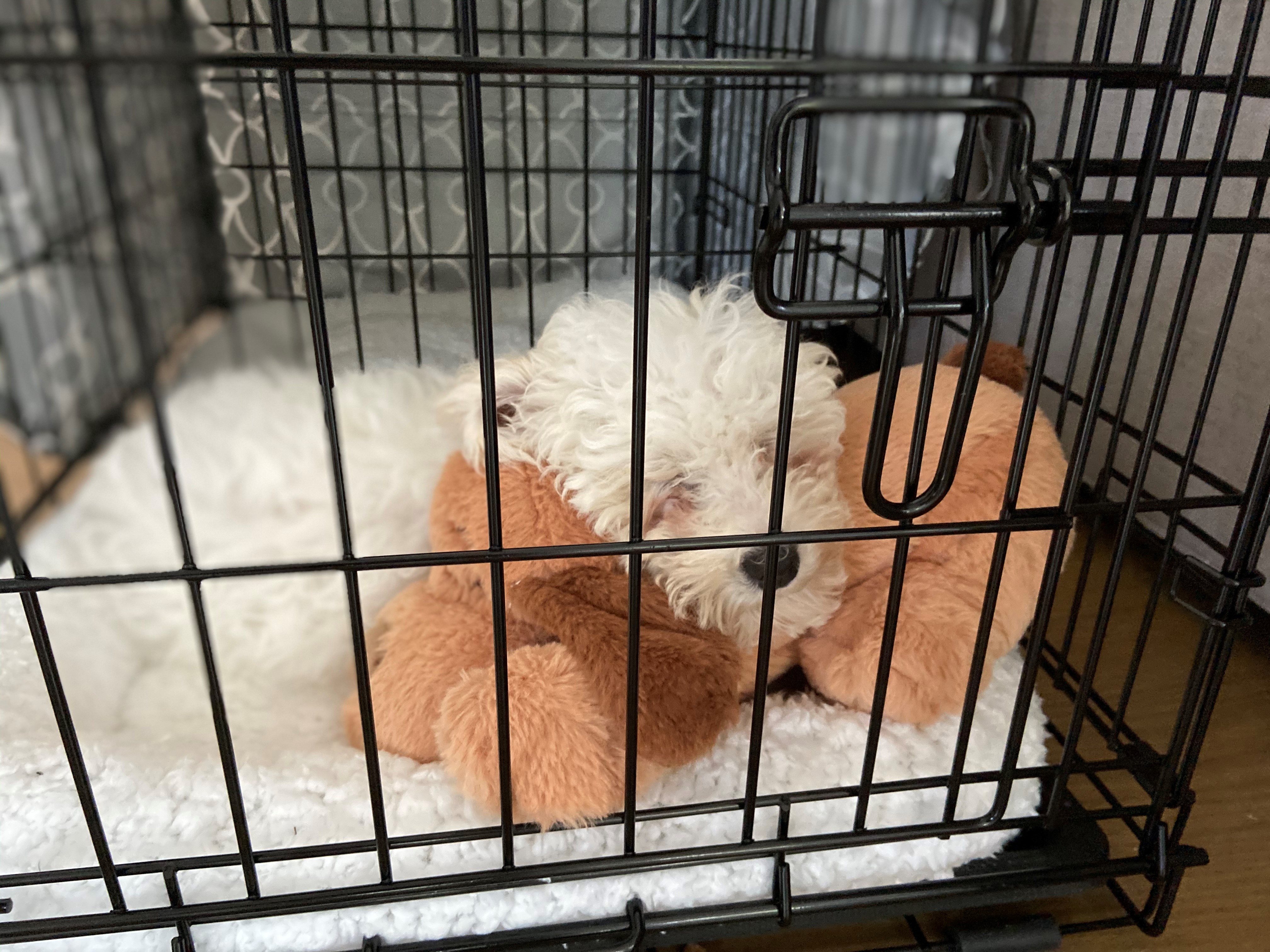
Remember back when this whole Coronavirus thing started (see Don’t Freak Out. But Also Don’t Be Cavalier) and I was, well, freaked out, and for whatever reason it made me feel better to look at puppies? Welp, let my silence here be an indicator (warning?) that we went next level. Not only did I look at puppies, but we decided to actually get one. He has arrived and has fully absconded with our hearts as well as my erstwhile writing time (which was carved out in the wee hours of the morning from my erstwhile sleeping time)! It’s all good – he’s worth it – just a shift.

Puppy

So I sit here today finally trying to parse through all of my thoughts from the past, oh, three weeks and maybe even a little bit of these past four months. Distance and time are always good for reflection, so, thanks, puppy, for providing me with both. I was initially feeling like a good rant, given everything, but have redirected my bubbling (boiling?) passion toward a more positive direction (for now – the rant is still percolating, but ranting isn’t terribly productive, is it?).

First things first, a deep breath. Even a recent article in the Wall Street Journal says deep breathing helps build our mental resilience. I say “even” because, while I respect the WSJ, I would have thought the editors would put deep breathing in the “woo woo” section. I already knew that deep breathing was a good idea, and useful to prevent ranting and other forms of insanity, but I was surprised and glad to see the WSJ sharing this wisdom, too. Surely all of us can use a good dose of resilience right now as well as shifting our focus to positive things (the WSJ notes how we are psychologically pre-wired to fixate on the negative – it’s a survival instinct, but it’s a little outdated since we no longer live in caves, usually, and don’t hunt and gather for food in a need-a-speer-and-I-could-get-killed-by-my-dinner-kind-of-way). So, breathe.

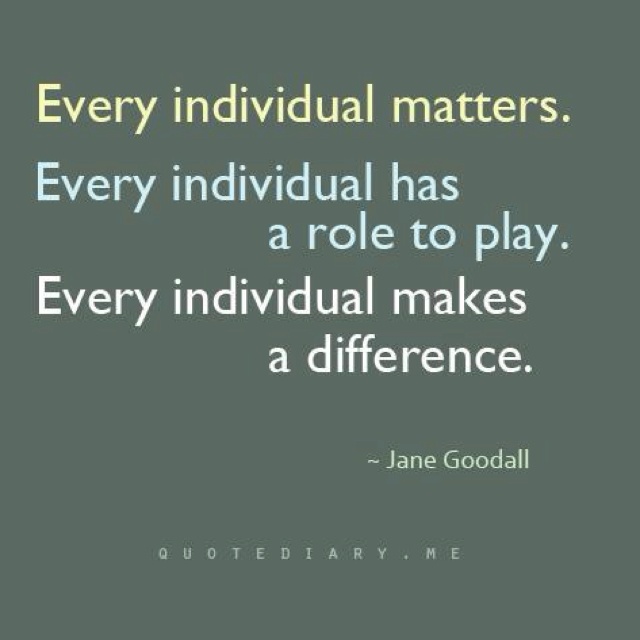
Last week, as I was cruising along holding my breath and all caught up in my thoughts about people only thinking about themselves and their own personal happiness, comfort and satisfaction, and how did we get here, and basically WTF is wrong with people it’s-a-little-piece-of-cloth-for-Christ’s-sake-stop-being-such-a-baby, I happened across an interview on the radio with Jane Goodall. She is one of my environmental (and life) heroes, and she is still out there fighting for environmental justice 60 years on. It is remarkable how little her message has changed over the years, and also how accurate it remains (and how calmly she delivers it – no ranting. Incredible). While there is still so much work to be done, still so many people ignoring science, still so much habitat and species destruction, her message is still one of hope. She doesn’t deny any of those issues, nor our role in this pandemic, and yet she remains hopeful. And sometimes I think, how can this be? And, then I realize her genius. Without hope all is lost. Hopelessness leads to giving up. Jane Goodall is not a giver-upper. And that’s inspiring. In the face of the many engrained, long-term problems we as a society need to face and change, we can’t lose hope and we cannot give up.

art artistic black and white blank
Photo by Lynnelle Richardson on Pexels.com

Over two decades ago, she published her book Reason for Hope. In summary, here are her reasons:

  1. The Human Brain (if we use it (that’s my line, not hers) – “We have at last begun to understand and face up to the problems that threaten us and the survival of life on Earth as we know it. Surely we can use our problem-solving abilities, our brains, to find ways to live in harmony with nature.”
  2. The Indomitable Human Spirit – “My second reason for hope lies in the indomitable nature of the human spirit. There are so many people who have dreamed seemingly unattainable dreams and, because they never gave up, achieved their goals against all the odds, or blazed a path along which others could follow.”
  3. The Resilience of Nature – “My third reason for hope is the incredible resilience of nature. I have visited Nagasaki, site of the second atomic bomb that ended World War II. Scientists had predicted that nothing could grow there for at least 30 years. But, amazingly, greenery grew very quickly. One sapling actually managed to survive the bombing, and today it is a large tree, with great cracks and fissures, all black inside; but that tree still produces leaves. I carry one of those leaves with me as a powerful symbol of hope. I have seen such renewals time and again, including animal species brought back from the brink of extinction.”
  4. The Determination of Young People – “My final reason for hope lies in the tremendous energy, enthusiasm and commitment of young people around the world. Young people, when informed and empowered, when they realize that what they do truly makes a difference, can indeed change the world. We should never underestimate the power of determined young people.”

The most compelling of this list to me back then and now is the indomitable human spirit. I think that’s where hope comes in.

Jimmy Fallon interviewed Jane Goodall on Earth Day in April 2020 if you are interested in hearing her thoughts outloud, including how animal trafficking and other forms of environmental destruction lay the groundwork for this pandemic as well as future ones. Unless, of course, we use our marvelous brains and change!

Finally, if you are still reading this, here’s a quick public service announcement: If you don’t really love dogs (like really, really love them), no matter how bored or lonely you are right now (or ever) don’t get one, especially a puppy. They are a lot of work and they deserve to be loved and taken care of now and in the future when life goes back to some semblance of normal. I know the pull of those cute little faces when you are sitting alone in your house day after day, week after week, and pretty much any other living creature coming to love you and direct your attention elsewhere seems like a really good idea. Puppies do those things, but that comes at a cost as well. I am joyfully but majorly picking and choosing how I spend what was already limited free time. I spend most of my day at the edge of my driveway encouraging my puppy to go to the bathroom. I love it, but it’s not super glamorous and if you can’t see yourself doing that much of the day and even the night, a puppy isn’t a good fit. So, there, PSA delivered and off my soapbox.

BREATHE.

Stay well.

You will be alright.

WE ARE THE SOLUTION.

And just wear a mask. If this is the greatest adversity you have ever faced, you are beyond blessed. It’s not hard. Honestly.

Jane Goodall Quote


A Plea and a Prayer for the Voiceless and Vulnerable

Where do I even start? I am rendered speechless by some of what I see happening in the world right now. And not speechless in a good way.

I understand rationally that anger stems from fear, powerlessness, and uncertainty, which we have in spades currently. So I get to some degree that what we are seeing with regards to the virus, opening plans, and people flouting the very simple protocols for keeping everyone safe from wearing masks to maintaining their distance are symptomatic of that. I recently read an article from Psychology Today, in fact, entitled What Your Anger May Be Hiding that explains anger very rationally. Did you know that when someone is angry the brain releases a chemical that stimulates a numbing sensation while establishing a sense of security and control over a situation? I did not, but it explains so much.

I guess I thought and hoped we were more evolved than that and that we could recognize anger for what it is and modify our behavior. Clearly not. And that’s disappointing. Most disappointing of all is how there appears to be a cultural disregard for the most vulnerable people among us currently. If I hear one more time, “oh, yea, a lot of people have died but most of them were old” I am going to explode. WTF kind of attitude is that? Damn.

“What young people didn’t know, she thought, lying down beside this man, his hand on her shoulder, her arm; oh, what young people did not know. They did not know that lumpy, aged, and wrinkled bodies were as needy as their own young, firm ones, that love was not to be tossed away carelessly, as if it were a tart on a platter with others that got passed around again. No, if love was available, one chose it, or didn’t choose it. And if her platter had been full with the goodness of Henry and she had found it burdensome, had flicked it off crumbs at a time, it was because she had not known what one should know: that day after day was unconsciously squandered.” from Olive Kitteridge, by Elizabeth Strout

Anyway, I am rambling. I felt like I needed to acknowledge that because it’s been bugging me and making me sad. But I don’t want to focus on it. What I want to do is to say a prayer for the voiceless and vulnerable, for the elderly, our elders; for those with Alzheimer’s and dementia; for those in care homes; for those with other health vulnerabilities; for those in places like rural Guatemala and rural Madagascar and so many other places in the world (including the inner city and parts of rural America) that are disconnected from the regular news cycle so we don’t hear their plight – both because they don’t have a platform to tell it and because no one is listening. Amidst all the quiet of this time, it’s remarkable the cacophony we humans can stir up to distract ourselves and still not LISTEN.

I don’t want to dwell on this. I want to focus on the good stuff, the stories of hope and kindness where you would least expect to find them! It’s my whole mission here and really this is the stuff of grace and humanity that needs to be celebrated and shouted from the rooftops!

In today’s episode, we have video footage of Girl Pioneers from the MAIA Impact School reporting from their homes in rural Guatemala on what life is like in quarantine for them, thanks to donated devices that have been distributed to the students and the MAIA Impact School’s on-going work to give these girls and their families a platform from which to be heard and seen.

You can read more about the students, their lives, and MAIA’s response to COVID @ https://www.maiaimpact.org/maias-response-covid19

More to come!

Each day is a blessing in whatever form it comes – don’t squander it!

Stay well, stay home.

You will be alright.

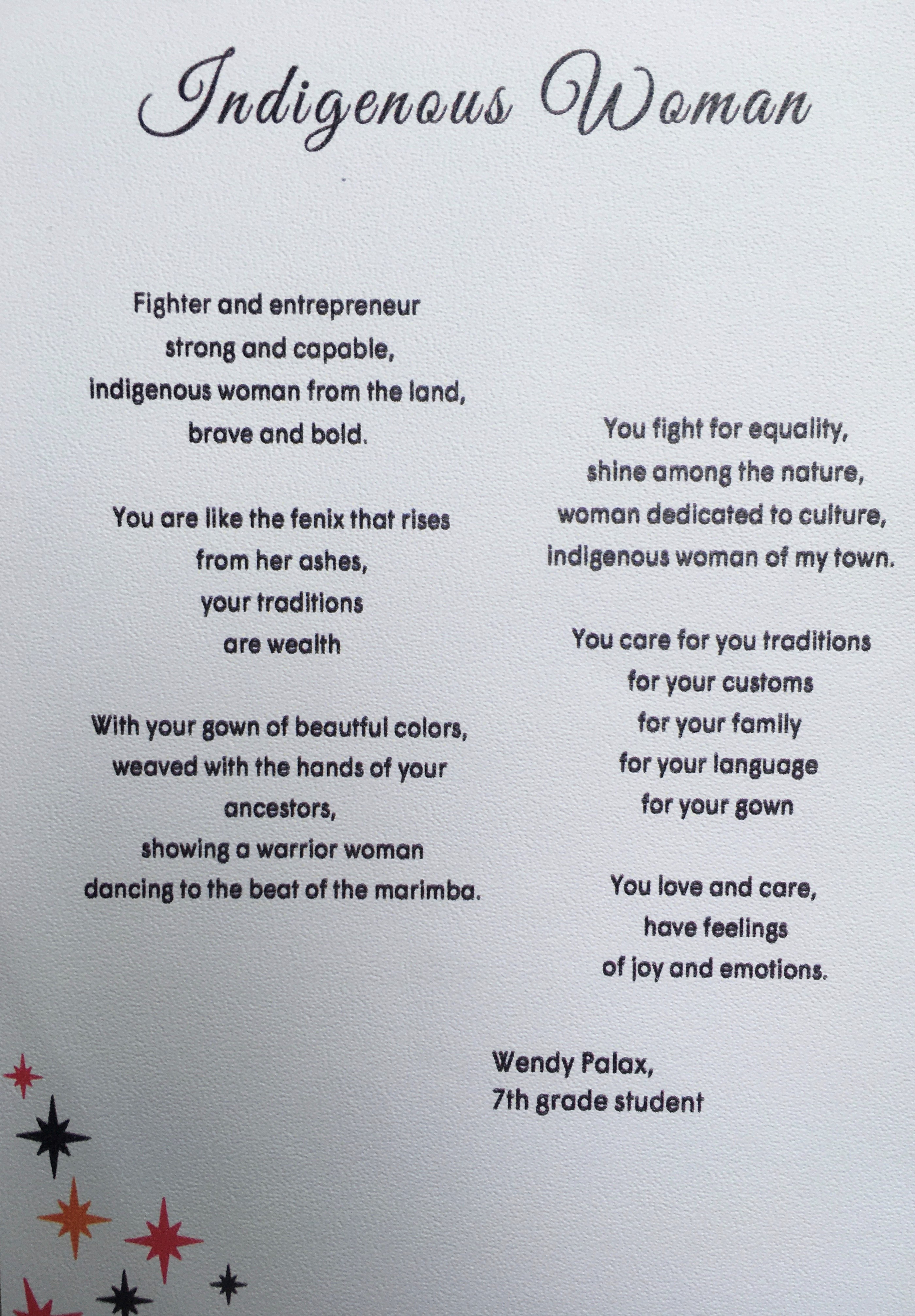
Indigenous Woman Poem


The Time of Quiet

I’ve gone quiet suddenly, here in the blogosphere anyway. It’s like I returned from a long trip and suddenly I was very, very tired. And I had endless mountains of laundry to do. Apparently our virtual world tour has come to an end. I just fizzled one day. For once, I let myself get lost in that with no apologies. If I can’t learn to be in the moment, in THIS moment, now; to face into the fire and not turn away to avoid it, now; to source my strength from within, now, then when will I ever?

It’s often said that it takes 66 days to create a new habit. Today is, in fact, day 66. What new habits have you made? Which will you keep going forward?

Me? I hope to hold onto this conscientious quiet because I cherish the simplicity and peace that comes with it. In my typical suburban existence, I crave calm and quiet, and now I see clearly that so much busyness is self-created. I do like to be busy, but there’s busy and then there’s manic. It’s really refreshing for life to be so plodding that my whirring around checking boxes off my never-ending to-do list eventually has to stop and for once I just sit down and think. Or breathe. Remember that one? I always forget. But now I’ve had 66 days of practice so who knows what the future holds?!? Have you ever seen the short Warren Buffet and Bill Gates clip Busy is the New Stupid? Well, there you are.

Breathe

I also hope some of my meal plan-ahead skills will endure (but mostly I really want take -out). And I imagine I will never stop washing my hands as well as I do now.  Remember that the “new normal” isn’t normal. And it isn’t forever, either, incidentally.

In The Time of Quiet

No one’s told the daffodils about the pause to Spring
And no one’s told the birds to roost and asked them not to sing
No one’s asked the lazy bee to cease his bumbling round
And no one’s stopped the bright green shoots emerging through the ground
No one’s told the sap to rest, deep within the wood
And stop the sleepy trees from waking, wreathed about in bud
No one’s told the sky to douse its brightest shades of blue
And stop the scudding clouds from puffing headlong into view
No one’s asked the lambs to still the springs beneath their feet,
To stop their rapid rush and quell each joyful bleat
No one’s told the stream to halt its gurgle or its flow
And warned the playful breezes, not to gust and blow
No one’s asked the raindrops not to fall upon the earth
And fail to quench the soil in the season of rebirth
No one’s locked the sun down, or dimmed the shimmer of the moon
And even in the darkest night, the stars are still immune
Remember what you value, remember who is dear
Close the doors to danger and keep your family near
In the quiet all around us take the time to sit and stare
And wonder at the glory unfurling everywhere
Look towards the future, after the ordeal
And keep faith in Mother Nature’s power & will to heal.

I have seen this beautiful poem attributed to Pablo Neruda, a Nobel Prize-winning Chilean poet and diplomat. But a little hunt of the world wide web revealed that it was actually written by Philippa Atkin and posted on her blog March 27, 2020.

Pablo Neruda’s poem, also beautiful, is called Keeping Quiet. I am not exactly sure when it was written, but Neruda died in 1973 so we can be sure that he did not predict the internet age taking us over, our addiction to screens or busyness, and certainly not a global pandemic. It is also remarkably appropriate for today :

Now we will count to twelve
and we will all keep still
for once on the face of the earth,
let’s not speak in any language;
let’s stop for a second,
and not move our arms so much.It would be an exotic moment
without rush, without engines;
we would all be together
in a sudden strangeness.

Fishermen in the cold sea
would not harm whales
and the man gathering salt
would not look at his hurt hands.

Those who prepare green wars,
wars with gas, wars with fire,
victories with no survivors,
would put on clean clothes
and walk about with their brothers
in the shade, doing nothing.

What I want should not be confused
with total inactivity.
Life is what it is about;
I want no truck with death.

If we were not so single-minded
about keeping our lives moving,
and for once could do nothing,
perhaps a huge silence
might interrupt this sadness
of never understanding ourselves
and of threatening ourselves with death.
Perhaps the earth can teach us
as when everything seems dead
and later proves to be alive.Now I’ll count up to twelve
and you keep quiet and I will go.

Stay well, stay home.

You will be alright.


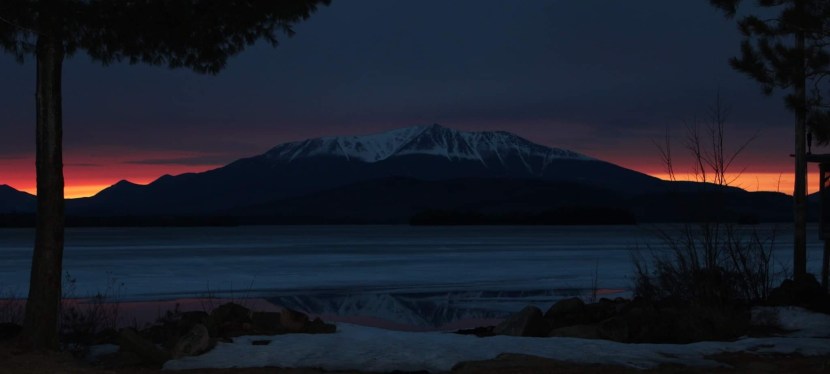
“Every Sunset has the Promise of a New Day” – Ralph Waldo Emerson

Where to start? My mom is in hospice care, which is a daunting word but may not mean it’s the end. What were the words the doctors used to describe her during her first hospital stay? Oh, yes, “resilient” and “feisty.” No, I definitely wouldn’t count her out.

That said, she started with COVID symptoms a month ago today. An entire month spent sick and in and out of the hospital. I’ve got a few thoughts about this, but they aren’t what you’d think. The emotional side of our situation seems to have shut down for the time being. What’s on my mind right now?:

1. If she passes from this, would she be considered a COVID statistic? I’m guessing not. And I am guessing she is not alone in this protracted COVID-related battle. So basically the mortality rate is already wrong.

2. Hospice care. Angels on Earth. I wish I had these resources and compassion at my fingertips when my mom was diagnosed with Alzheimer’s. Honestly, I battled the hard stuff alone years ago, not knowing where to start or how to handle it and navigating this totally unfamiliar and uncomfortable (and unwelcome) landscape. No case manager or social worker to listen or guide. Hospice would have obviously been dramatic for back then, but I could have used a crutch. Something. Now I realize what it feels like to have professionals who see this stuff all the time reach out to me and ask if I have questions and how I am doing. I can say with 100% certainty that I could have used that seven years ago. Just putting that out there for what it’s worth. Which actually leads me to a third point that I wasn’t planning to make.

3. Assisted living. What the bloody hell Massachusetts? Get your shit together and help these people out. They have been put in a position of having to function like hospitals because of the state’s lack of preparation. I get it, it’s a crisis, but damnit we saw it coming. It’s one fire drill after another at care homes across the state and the country. Manning the helm are some of the finest people you’d ever want to meet. And I mean the real kind of “very fine people.” They did not sign up to be on the frontlines of anything remotely like this, and surely they are not paid nearly enough for what they do, but they show up day after day with compassion and courage in spades. Meanwhile, front line assistance, offers of free life insurance, etc., focus only on hospitals and medical staff. Massachusetts doesn’t even count assisted living with its nursing home numbers, meaning that state data are undercounting this public health crisis’ impact on seniors. Does this also mean that assisted living residences are excluded from the state’s COVID assistance measures? I cannot fathom how these places continue to function, financially or emotionally, right now. The people who work in these homes deserve recognition, thank you’s, and more. WAY MORE.

Civil War icon Joshua Chamberlain said, “In great deeds, something abides. On great fields, something stays. Forms change and pass; bodies disappear; but spirits linger, to consecrate ground for the vision-place of souls… generations that know us not and that we know not of, heart-drawn to see where and by whom great things were suffered and done for them, shall come to this deathless field, to ponder and dream; and lo! the shadow of a mighty presence shall wrap them in its bosom, and the power of the vision pass into their souls.”

We are being tested. Eventually history will look back on this period, reflect and probably judge, hindsight always bringing clarity of vision that the present doesn’t offer. I think about Chamberlain’s quote, about the courage and valor of battle, the honor of walking a field like Gettysburg or the beaches of Normandy today and thinking about those who have passed before us, who fought so courageously and with a united front for something bigger than themselves.

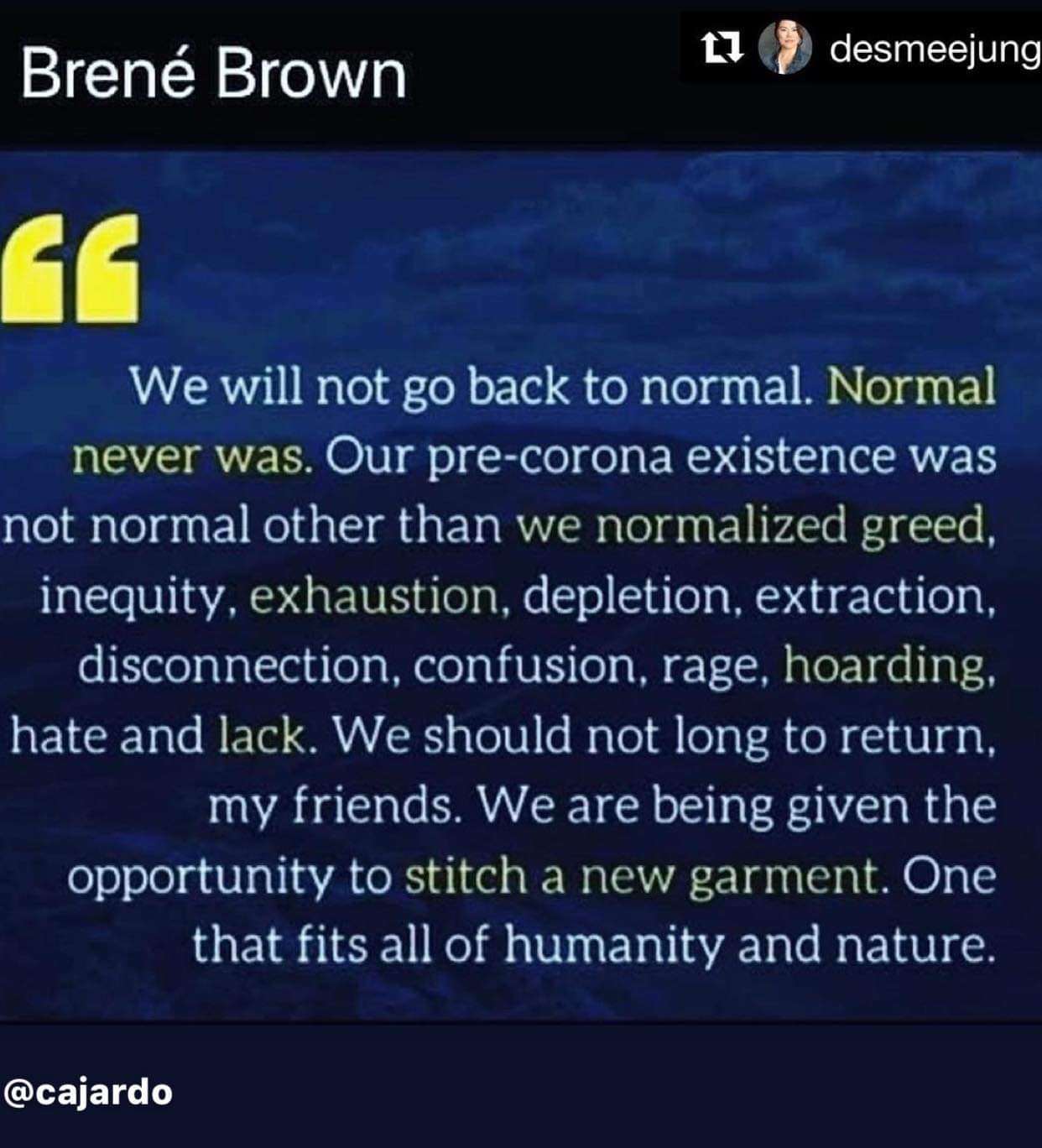
The enemy is invisible in our current battle, and the battle rages in our hospitals, our care homes, and our public spaces. But the concept endures. The honor in battle (and life) comes from sacrificing for something bigger than yourself, and from protecting the vulnerable. I was taught to respect my elders. They are not expendable collateral damage. We have already failed many of them by not acting fast enough. We can’t give up now. Looking back on this moment in time, we want history to extoll our courage and our compassion, our sacrifice and unity. We do not want to be haunted by spirits admonishing our soul-less self-interest and determined individualism at all costs. Is going “back to normal” really what we want? Normal failed our most vulnerable. We need to do better.

Wew. I woke up in a tizzy today. Tomorrow is a new day. Take a deep breath. We got this.
Stay well, stay home.
You will be alright.
Brene Brown back to normal quote

COVID Gets Real and Hits Home

Taking a break from gallivanting around the world to bring it to you straight here. This is HARD. Today is day 41 by my count. My mom was hospitalized three weeks ago and diagnosed COVID positive. It got REAL around here fast. I wrote an essay about it that HuffPost published this morning. Check it out in my Clips. Also, the featured photo today is a painting my brother did. Just sayin’. So damn talented.

At any given moment I am shades of overwhelmed, fine, depressed, grateful and everything in between. I miss the grocery store. I mean, that’s low. What used to be a chore has become a dreamed-of escape. That’s where we are.

I spend my days cooking, cleaning, doing laundry, procuring food items, entertaining my children (I have stopped calling it homeschooling because that would imply they are learning something when, frankly, I have no idea if they are. I am just happy when we get through another day mostly intact), and trying to keep up with my quarantine journal (which is remarkably challenging to find time for, an odd situation to find myself in since I never leave my home). My mom being unwell has added a layer of intensity to this isolation existence as I have worried for her well-being and tried to navigate emotionally once again how quickly life can be upended. There were days during the past three weeks when I needed to call the hospital to check on my mom but also really, really needed to grab that grocery delivery time one week out (the first available) to ensure my family had the provisions we need. So bizarre. The brave neighbors and friends who are still going to the grocery store jumped in and saved us as my juggling act came crashing down, even sometimes adding a bouquet of flowers to the items they dropped for us on the front porch.

Rest assured, when I am not virtually traveling the world with you, I am keeping it really real here. Our virtual travels and hope-filled stories bring me tremendous joy and give me meaning and perspective (and, boy, have I needed that lately). It’s helpful to focus my busy brain on positive things, to spend time learning about places I’ve never been and remembering places I have.

It all feels so futile sometimes. Life. This version of life in particular. My mom alone in a hospital, sick and unable to communicate. All of us at home. Futile and frustrating and fraught.

And then I remember: One day at a time. Tomorrow is a new day. Breathe.

We need to continue to have hope and to find the fun where we can. My mom, and my beloved aunt Nancy, and their mom would say – this too shall pass. And so it shall.

Today is Marathon Monday in the Boston area. It’s literally a state holiday and a true rite of passage to spring. Obviously the marathon isn’t happening. My family is participating in the #BackyardBostonMarathon instead. I am running around my house 26.2 times; my kids are doing the same around the backyard. My husband is doing an insane number of push ups and sit-ups (to get to 262) plus a 2.62 mile run.

It’s not the marathon, not by a long shot. But if we all do it together (I mean, apart together, of course – stay home! do NOT go on the marathon course), that’ll channel the spirit of the event and that’s meaningful. My mom’s care home and hospital are along the marathon route. Give her a virtual wave and hug as you “run” by. We can use all the spirit of the marathon more than ever because, folks, we are in one right now. I am personally seized up on Heartbreak Hill. So cheer me through and I’ll cheer for you, too. I’d love to see your photos!

Stay well, stay home.

You will be alright.

Hope is like a drop of honey quote

Island Hopping – to Jamaica and Cuba!

Our tour of island nations continues, but this time we are traveling to the green-blue and warm waters of the Caribbean and the beautiful island nations of Jamaica and Cuba!!!

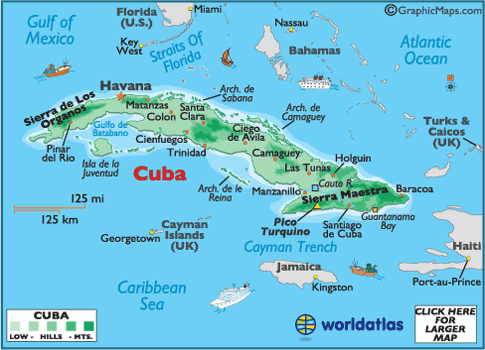
Map of Cuba and Jamaica

Cuba is a mysterious and alluring country. It is also mountainous, which I did not expect. In my mind for some reason I assumed it was flat. But it’s not. Not at all. From the Gulf of Mexico you can see it’s undulating, lush hillsides and somewhat imagine what it must look like within. Unique and beautiful historic architecture, brightly colored buildings, and old time cars that have been miraculously preserved and maintained define most people’s mental image of Cuba. If we have a notion of Cuba at all, it is these images from Havana that dominate. Today we are so lucky to be able to wander through Cuba in our imaginations thanks to photographer and creative Janice Kwan (follow her on Instagram @jwkwan and @kitrknits for more photos and other awesome creative work, including her gorgeous hand-knit pieces).

She has so many awesome images I didn’t even know where to start so I put together a slideshow. Check out the colors, the cobblestoned streets, the lighting, the purples and blues in the sky contrasted against those heavy, hovering clouds, Castro’s omnipresence. What do you see?

This slideshow requires JavaScript.

Outside of Havana, the Cuba is more rural. You can get a real taste for Cuba and some powerful visual descriptions and cultural (and revolutionary) understanding by reading Our Woman in Havana by Vicky Huddleston (a former U.S. diplomat to Cuba) and Next Year in Havana by Chanel Cleeton. 

Just south of Cuba is Jamaica. In fact Jamaica is very close to Guantanamo Bay. I don’t know how I missed it, but Guantanamo Bay is on the island of Cuba, just kind of fenced off from the rest of Cuba. I of course have heard of Guantanamo Bay, but it didn’t occur to me to think about exactly where it was. I was pretty surprised to discover it’s on Cuba of all places.

Anyway, a Jamaican friend sent me news from late March reporting that 144 Cuban health workers had arrived in Jamaica to help with the Coronavirus outbreak. This was his example of good news happening in his part of the world.

I had to pause to weigh how opportunistic versus humanitarian this show of support was on Cuba’s part and to wrestle with the possibility of our differing perspectives on Cuba’s intent. Since I am U.S.-based, the Cuban government’s actions come laden with a dose of skepticism. What is opportunistic propaganda and what is solidarity and selflessness? I am going to guess that there is gray area, perhaps it’s a bit of both, and it depends who you ask. Of course I am not professing to the U.S. government’s innocence either, to be clear. Surely many good deeds are born of strategic as well as altruistic intent.

Cuba has been sending doctors on international medical missions primarily to poorer countries all over the world for years. Currently, in fact, it has about 37,000 workers in 67 different countries. They provide more health care personnel to the developing world than all of the G8 countries combined. This is partially propaganda, but it is also a major source of revenue for the Cuban government. The U.S. has called into question the labor conditions and pay of Cuban physicians, and as part of increasing sanctions the U.S. discourages other countries from hosting these Cuban medical missions (for more on that, click this link to an Associated Press article from April 3). That said, Cuban physicians are generally quite well-trained, well-liked, and well-received wherever they go.

In the case of COVID, Cuban doctors have been on the front line in Italy since mid-March. From a practical standpoint, they are experienced with this virus and ready to assist better than many in the western hemisphere. There are also A LOT of them. Did you know that Cuba has more doctors per capita than the U.S.? In fact, it is ranked third in the world for the number of doctors per capita (67.2 per 10,000 people according to the World Atlas). WHY are there so many doctors in Cuba, you ask? That results from half of the nation’s doctors fleeing during the Cuban revolution in 1959 and Fidel Castro subsequently promoting medical education as part of a national project to reconstitute their medical corps. Universal health care is also a defining feature of communist principles.

Of course, it’s possible that the training required to become a doctor in Cuba isn’t the same as in other countries, and that that is part of the explanation for the differential in numbers. But Cuba’s health care system is widely praised and life expectancy and infant mortality in Cuba are the same as in the U.S. (if you believe the Cuban government’s statistics, which they do not allow to be independently verified). It appears they are onto something there, but no matter how you slice it, for a virus that seems to require all hands on deck a surplus of well-trained physicians seems like a welcome bright spot on an otherwise gloomy horizon. Propaganda or not, well-trained medical personnel descending en masse to help a neighboring country that isn’t as well prepared to manage it is good news.

Stay well, stay home.

You will be alright.