Legacy and Impact

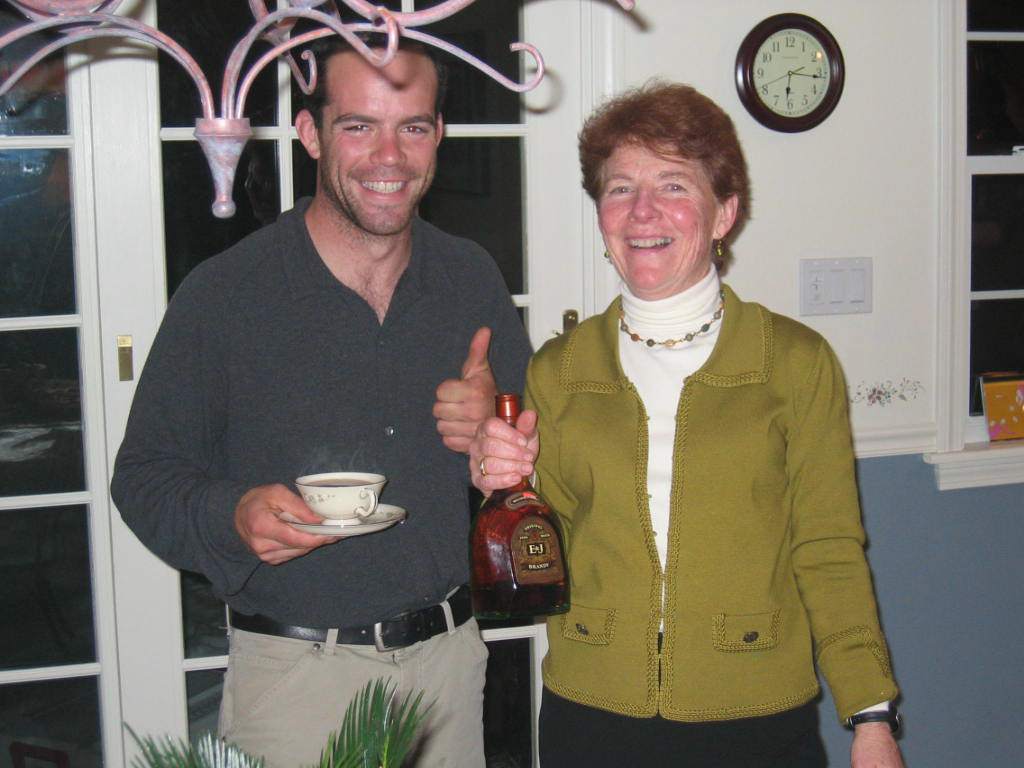
My mom passed away earlier this month. I realize now that her legacy isn’t just in what she did during her life, it’s in who I am in mine.

As with so much of our Alzheimer’s journey, it was a slow moving end. She was just subtly different one day to the next and I found myself in a strange(r) waiting period for several months. I spent a lot of time sitting with her – sometimes she was awake, but often she slept – and thinking. After all these years, my brain can’t understand that she is gone. I knew she was mortal – though she did have a knack for making me question that – but it’s still a complete mental doozy. Grief in the traditional form of reckoning with her absence from this Earth altogether sits in my peripheral vision. It’s there, but somehow I am not ready for it yet.

There are so many threads to pull on from these last several months that merit further reflection, but the most revelatory at this stage for me is the idea of my mom’s legacy. I have always known how much I loved my mom and how deeply she cared about me and my brothers. Through the lens of her life in review, which somehow only became more accessible when the end was approaching, I see more clearly what she passed on to me. There are obvious things, like my eye color and my curly hair. And then there are the more subtle, nurture things. As I worked to capture who my mom was in her obituary, all the ways she served her community became abundantly clear. I was telling someone just yesterday that one of the first things I did when I got to college was to join the student volunteer center. It struck me then how my mom quietly did her thing and influenced the person I became without me even really noticing it. In other ways she was more overt. I have thought a lot over the years about how freaked out she was when I took a semester off from college. She worried that I wouldn’t go back. All this time I’ve maintained the narrative, “Didn’t she know me at all? I was always going to go back.”

But, now, I see it more clearly. It didn’t have to do, exactly, with knowing me. It was about what she wanted for me. She did everything she could for our entire lives to make sure my brothers and I had a smoother path and better opportunities than she did. She graduated from college when she was 49 years old. I was 16. It could not have been easy with 3 kids, our endless sports schedules, and her school work – and yet she still managed to get us where we needed to be and to put dinner on the table. She wanted me to finish college while I was still young and unencumbered, to just have that college degree in my back pocket.

It makes me think about the parents of the Girl Pioneers at MAIA that I work with in Guatemala. By choosing to educate their daughters, they chart a different path for their families with the hope of improving the future for the next generation. This path is unfamiliar to them and requires real courage, commitment and selflessness. But they want better for their children so they take a chance on this opportunity.

Several years ago MAIA ran a fundraising campaign called Nim Mama, which means “Great Mother” in the Maya Kaqchikel language of this region of Guatemala. The campaign focused on honoring mothers and their collective strength, beauty, and transformative power. The images of the pioneering, brave girls of MAIA with their mothers at their side brought me to tears. They reflected back to me my own mom’s strength and guiding light and reminded me how important my education was to her.

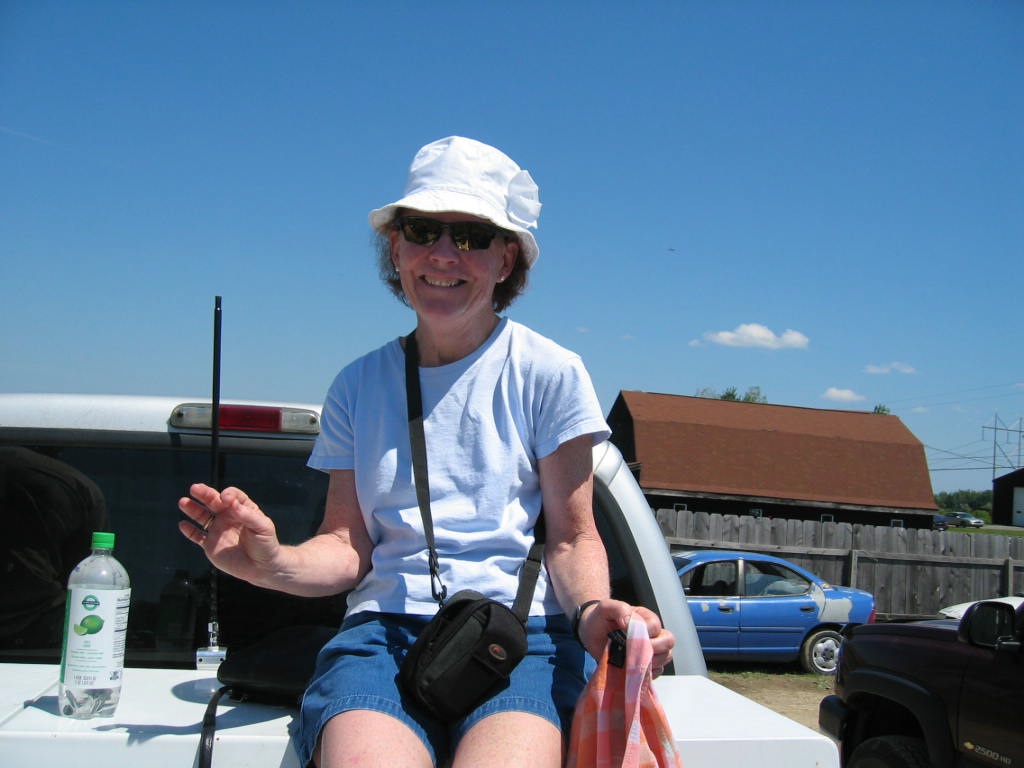
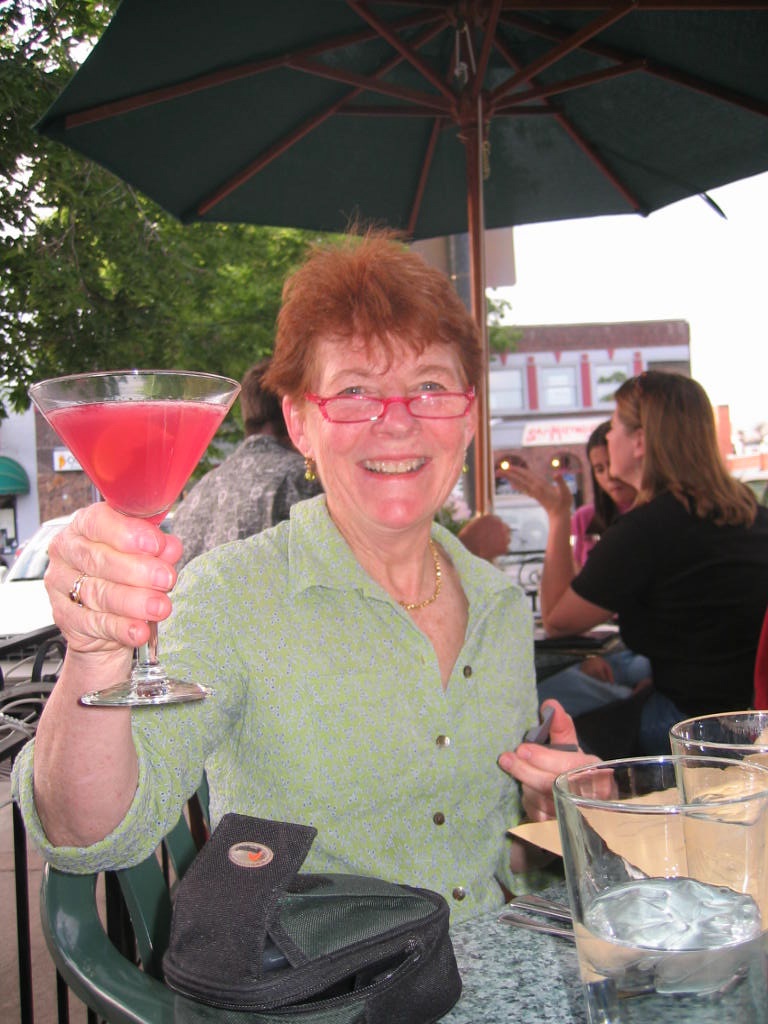
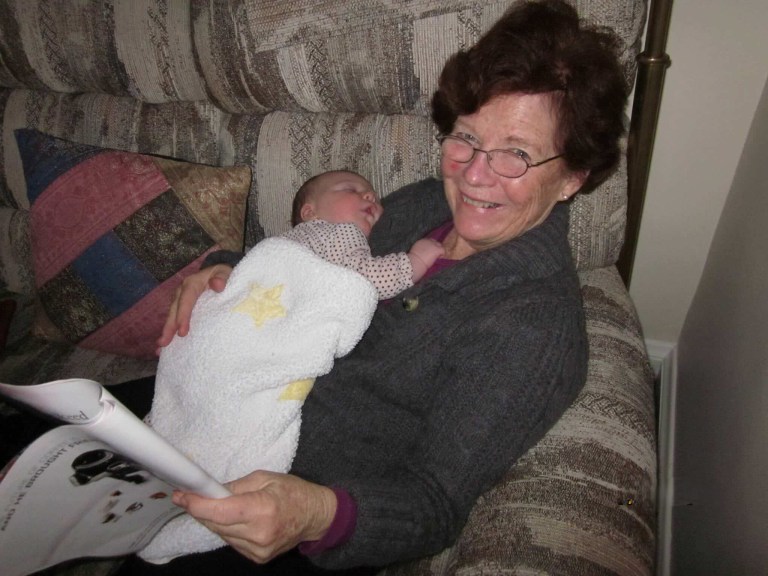
As I go through old photos of me and my mom I think about the legacy of what she gave to me. She stood alongside me, literally or figuratively, my whole life in the same way that the mothers of MAIA stand alongside their pioneering daughters. I realize now that my mom will live on through me – in who I am, in how I tell her story, and by paying it forward like she did so that the next generation has more opportunities and a smoother path still than I did.

I am the same age now that my mom was when she graduated from college. I have two great kids and a loving husband. That college degree that I earned at 22 has opened doors for me. As her primary caregiver for the last decade, our roles reversed for a while as I became more and more responsible for her well-being. I accompanied her to her last day on this Earth to the best of my ability. And I know she is proud of all of these things. It helps me to imagine that she can see it all now and can feel really good about how well she guided my way.

I turn 50 next week. As my way of celebrating my 50 years on this Earth as well as the nearly 50 years I got to spend with my mom, I’m raising funds for MAIA. Paying it forward for the next generation is the best gift I can imagine receiving. Please consider joining me. https://donorbox.org/meg-s-50th-birthday-fundraiser-for-maia-guatemala
A Portrait of Alzheimer’s – And Love

The truth is, maybe I couldn’t have lost my mom any other way.

What if I was still used to our daily phone calls, habituated to her answering my call or email within hours if not minutes, used to the certainty that she would listen to whatever I had to say – a quandary, a train of consciousness, the latest good or bad news – without judgment? If that had just stopped all at once, maybe I wouldn’t have survived it.

At first Alzheimer’s presented itself in repeated dialogue, repeated questions, consternation when a waitress brought the meal she ordered but not the one that fifteen to twenty minutes later she was expecting. In those days, the synapses just seemed to not quite be firing on all cylinders. Those who loved her knew something wasn’t quite right, but we weren’t exactly sure where the line between getting older and a significant problem lay. My mom had incredible social graces coupled with fierce pride so she could get away with a lot and the rest she clearly didn’t want to talk about so we trundled along like that for a couple of years.

Over time, the phone calls and emails became less frequent, more repetitive, and more confused. Often when I asked what she had been up to it was clear she was making stuff up that sounded like things she could plausibly be spending her time doing. Eventually we just talked about the weather. Out at dinner she’d look at the menu and then say, “I’ll have what she’s having.”

And then, after a couple more years, the phone calls, unless facilitated by an aide, stopped altogether. Sometimes she would hold her TV remote to her head when the phone rang, annoyed she couldn’t get it to work. But by then I had weaned myself off of our regular conversations. They had become so stilted anyway that it didn’t hurt so much. I was mainly consumed by that point in figuring out what needed to be done to facilitate her life and her safety.

At this stage, she couldn’t follow directions when she was driving somewhere new, couldn’t help my kids navigate the treasure hunt map at a children’s event to figure out where the gold doubloons were buried in the sandbox. She would show up at events that weren’t scheduled and miss ones that were. I can’t remember the number of ATM cards that had to be replaced. Executive functioning skills pretty much altogether went out the window – though she did somehow manage to sign up for an online dating site and execute on organizing a date at the local coffee shop. SO many times during this journey I have wondered, “how is THAT the thing you remember?”

It went on like this. Ironically, I look back and see how much was still left of my mom then. I knew enough to know that the Alzheimer’s diagnosis was a shot across the bow that forced me pay attention to every minute I had with her in a way I may have taken for granted if I didn’t know she had a degenerative, terminal disease. I mean, we are all going to die, right? But that doesn’t mean we pay attention when we are busy living our own lives. That’s natural. I try to look on the bright side that this gutting diagnosis made me go back home to spend time with my mom more often than I might have otherwise during that stage of my life.

I still cry sometimes for what I have lost over the years, all the what-could-have-been’s. Alzheimer’s continues to find new and creative ways to take a piece of my mom away and reignite my grief. This slow, trickling loss is death by a thousand cuts. As a friend’s mom used to say, “It’s not easy getting into this world and it’s not easy getting out of it either.”

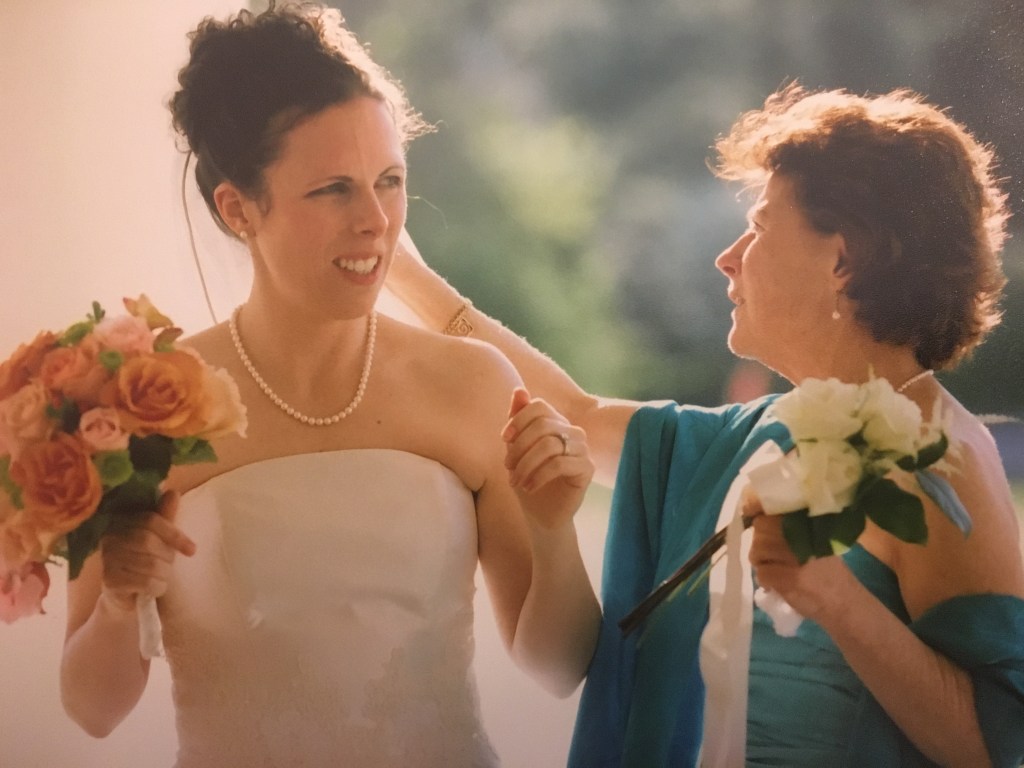
I started this post thinking I would show one picture from every year my mom has lived with Alzheimer’s to display how it impacts a life, slowly but surely, over time. I started collecting photos – and it’s breathtaking how I hardly noticed the shifts as they were happening but now I can barely remember when she used to be able to speak. I realized, though, that my mom would want to be remembered for the independent, life-of-the-party, no bull, devoted mother, sister, aunt, friend, and wife that she was. The last 13 to 14 years are a chapter – a long one with lots of ups and downs, granted – during which she has exuded her characteristic grace and loving spirit but has also been more vulnerable and had less agency than her prior 68 to 70 years. Since I’ve written so much about her I thought I’d share some pictures that capture her the way I think she’d like to be remembered.

She’s still here, but she’s slipping away (in her typical fashion – on her own time, doing it to the tune of Frank Sinatra’s “My Way” till the very end). We have done the best we could with the cards we were dealt, and she also deserved to get so much more out of these years than this disease allowed.

I’ve had a lot of years to figure out my role in this journey and have worked hard not to lose myself in it. There’s a good reason that I started a blog called “Put Your Own Oxygen Mask on First.” I learned first what happens when you don’t, and then spent the rest of these caregiving years trying to take care of myself, too. I am applying those lessons as my watch over my mom comes to an end. For me, that means carving out time to be with my family and friends. It means getting regular exercise and not compromising on that 1/2 hour or hour of me time. It also means trying to eat well. Or just eat. When things get really busy and/or I am really sad, I tend to skip meals. That starts a cascading effect of low blood sugar, which manifests as fatigue and irritability, and then triggers cortisol and adrenaline bursts that cause increased anxiety (all of which can reignite my Rheumatoid Arthritis). In the early days after my mom was diagnosed I was downright skinny. But not healthy. This type of rollercoaster isn’t good for my body or mind and it certainly doesn’t put me in a good position to advocate for my mom or my kids. Always put your own oxygen mask on first before assisting another passenger on this journey of life!

As I begin a more reflective stage in my caregiving journey, I put together a list of logistical priorities that, in my experience, become important fast when confronted with the overwhelm of what it means to care for someone with an Alzheimer’s diagnosis. Check it out in my Dementia and Caregiving Resources. And, please, if you have the means, support Alzheimer’s research (I personally like Cure Alzheimer’s Fund, but, mercifully, there are others and work is being done constantly to try to figure this out).

Like I said, she is still here, but I know I’ll love and miss this woman for all my days. I already do.

Patiently Tending

A friend recently used the term “patiently tending” to describe my caregiving for my mom. Isn’t that the best phrase? It feels almost hopeful, like a gardener sewing seeds all the while knowing that winter will come. It describes so well what it’s like to continue to meet my mom in the strange purgatory between life and death that she occupies.

When I was visiting her recently, I noticed anew a picture that hangs on her wall. It shows my childhood kitchen on Thanksgiving day many years ago. My mom is standing with her mom and her two sisters. Someone long ago glued that picture to a poem about Mothers and Daughters. As I read it, I realized that I was always going to be as ready as I could be for this.

Poem by Nicholas Gordan (according to google)
Me and My Mom, Mother’s Day 2022

Let It Snow – Even in August

All through the fall, my son poured time and effort into learning a piano piece for his winter recital. He was ready to share his music, but a schedule conflict meant he couldn’t perform. He’d worked so hard on his piece, it was a shame he wouldn’t be able to share it.

“I bet you could play at Grammy’s place if you wanted to perform with an audience,” I suggested.

To my surprise, he was willing to try it. It took a couple of months to facilitate making it happen – volunteer paperwork, CORI forms, scheduling, etc. – but then he was added to the entertainment roster to play on the memory care floor for about a half an hour every-other-Sunday.

As I’ve shared before, my mom, who has Alzheimer’s, has lived on the memory unit of her care home since she started needing 24/7 care seven years ago. Our/her trajectory appears to be an anomaly. She has incredible staying power and a bright spirit that’s impossible to extinguish. But this journey can be emotionally exhausting at times. It can be a struggle to connect with her in any sort of meaningful way. We have lost the back and forth quality of a traditional relationship where each person contributes a part of themselves. Though the metaphysical cords that connect my mom’s heart with mine will never break, as the years with Alzheimer’s have gone by the way we engage with each other on this Earth has an increasingly gossamer-like quality – wispy, ethereal, and easily split and broken.

I often think there’s nothing new to be seen or done with my mom. We’re just here, in a moment, one part biding our time, one part just surviving, and one part seeking the sweet in everything that we still have because we still have something (and what else can we do?). I keep showing up because I promised her I would and she deserves all the love I can give her – plus you never know when the last time will be. Surely when she passes away it will still feel like the time I devoted to her wasn’t enough and I’ll want to go back and be part of every minute I missed. Even knowing that day will come I still cycle through the full spectrum of feelings – many negative – about our situation. Visiting her can be very lonely, that’s just all there is to it.

With that as context, my son and I arrived one Sunday morning in March for his piano performance. He was still wiping the sleep out of his eyes and I was nervous because I am a people-pleaser and I was hoping this wasn’t a bad idea. I know it’s hard to visit my mom and the memory care floor in particular. I know there are unfamiliar – and sometimes unpleasant – smells and that there are people who do and say unexpected things or make strange sounds. There are lots of wheelchairs and walkers and hoyer lifts. I also know that this is not the Grammy who baked cookies with him and watched him play soccer and read bedtime stories to him about a tickle monster and then tickled and tickled him until he couldn’t breathe. I had decided a long time ago not to force my kids to visit their Grammy. They were really happy to be with her in the earlier days of Alzheimer’s and then they weren’t anymore and I understand that. It’s not easy for me, either.

The staff had gathered a small group of residents around the piano with my mom’s wheelchair right next to it. We said hello to Grammy, who was awake to my surprise and happiness, and then stood there awkwardly trying to gauge what to do next. After a couple minutes my son sat down at the piano, I muted the TV, and told him to go ahead. He dove in with the first piece that came to mind from memory – Let It Snow. The staff who were passing by in the hallway and I looked at each other in silent agreement, “Please no more snow.” But the residents? They loved it! Most don’t leave the floor and are not oriented to day or time so, for them, Let It Snow is simply an upbeat song that triggers fond memories buried deep in the mind. No winter fatigue for them. They clapped. They sang. They shimmied in their chairs. They smiled.

He played a few more pieces – from Viva La Vida by Coldplay to Axel F from Beverly Hills Cop. And then he froze. He turned to me and whispered, “I can’t remember how this one I’ve been working on most recently starts.”

“Just start where you can remember, even right in the middle, like when you practice at home. They just like to hear the music. “

And so he started where he could remember. And they were thrilled.

“Wonderful!” “Bravo!” they exclaimed.

My mom? She tapped her toes and her leg up and down to the beat. She raised her hands in the air like a teen at a rock concert. She smiled. She was alert and engaged. She tried to sing or talk. My son’s music manifested a clear response in her. It felt like we three were directly connected, almost in conversation, in a way I hadn’t experienced with my mom in a really long time. I know she has always loved music, but this was a completely unexpected, direct relational back and forth with her. And she was so happy.

As for my son, he discovered that he really likes playing for his Grammy and her neighbors. He goes on a weekly basis now. They are thrilled all over again every single time he comes. Let It Snow begins the recital every week, even in the middle of August. And next week, we will do it all over again in exactly the same way and the reception will be just as warm, engaged, and happy.

And me? Being with my mom as we walk this journey remains the most beautiful, burdensome blessing. I am so grateful for having a chance to discover a new way to connect with her and to feel joy together that I hadn’t yet experienced. Not only did this moment touch me deeply in my soul and fill me with emotions that are difficult to put into words, but the whole recital was an awesome example of people showing up for each other as their best selves – open and joyful, without judgment, making and enjoying music together to the best of their abilities. Every single person in that room contributes to joy and meaningful – even if momentary – connection. This recital time has presented a newness to how I engage with and relate to my mom, a balm for my caregiver fatigue and loneliness, and the kindling of a small, hopeful flame in my heart that has fused part of the fraying threads to my mom back together.

Behind Closed Doors – The Silent Struggle of Caregiving

Caregiving is the great, unseen work of a lifetime, whether it’s for aging parents, young children, or a person with a disability. It often goes unnoticed, uncelebrated, and un- or under-paid. It typically requires sacrifice of self in multiple ways, from dialing back career aspirations to a different look to retirement to shouldering physical (adults who are deadweight are heavy and those who are combative make care tough), logistical (ever tried to get someone who doesn’t understand words or can’t sequence directions to sit on a toilet?), and emotional (it may not be personal but some days you can only take being told to go away or shut up so many times) weight. In short, caregiving is a challenge that comes with a side of detriment to one’s emotional and sometimes physical well-being at various stages whether the caregiver is a family member or a paid aide.

Is it because we are taught not to stare when we see someone with a disability that we collectively generally don’t see or acknowledge caregivers? Is it because a lot of care happens behind closed doors so it’s simply not in our view very often (until we experience it ourselves and then suddenly we see these quiet laborers everywhere – driving cautiously on the highway with an older person in the passenger seat, pushing a wheelchair through the supermarket, waiting at the bus stop)? Is life just too busy to occupy ourselves with imagining what it’s like to give everything you have physically and emotionally at work and then go home to care responsibilities there, too, from one’s own kids to one’s own parents? Is it just too hard to face it so we ignore it? That is, until we are in it or need it ourselves?

Bradley Cooper recently produced a new Caregiving documentary that sheds light on this enormous blind spot and need in American society. It highlights different stories about caregiving and caregivers. It tells the story of paid and unpaid caregivers navigating the challenges and joys of this deeply meaningful work. By intertwining intimate personal stories with the untold history of caregiving, the documentary reveals the state and the stakes of caregiving in America today.

So much is broken about the medical system in the US, and caregiving is a separate but related dimension of that brokenness. Everyone needs it or does it at some point and yet there is nothing about long-term care that is straightforward or easy. It’s a big, complicated, expensive system. Reform is plodding – at best. Link here to my prior musings and stats about long-term care – Don’t You (Forget About Me)

Some strategies to make immediate improvements for paid caregivers:

  1. Pay workers a living wage. That should go without saying, but it needs to be said because it is not in any way a given; one cannot show up as one’s best self at work if one is barely able to cover rent and perpetually stressed about making ends meet even while working full-time;
  2. Create pathways for career advancement. Professional development and the ability to grow into better roles at work matter tremendously for worker satisfaction. By giving motivated employees a career ladder for upward opportunity, they will be more willing to stay, thus reducing turnover while increasing the quality of care;
  3. See the hard work these people do and acknowledge them. Like really notice them. Say their names, take an interest in who they are, and thank them for the non-glamorous and often grueling work they do. We’d (hospitals, assisted living facilities, and families) be so screwed without them.
  4. Check out organizations like the National Domestic Workers Alliance who work to highlight these disparities and change the status quo.

Some strategies to make immediate improvements for family caregivers:

  1. Show up. No one should have to take on the burden of caregiving alone. It’s way worse when a caregiver realizes that they haven’t been forgotten, but actually that no one has thought about them at all;
  2. Frequent check-ins: Even if it’s just a short text or phone call, regular check-ins can help the caregiver feel supported and not alone. It’s a small but meaningful gesture that can have a big impact;
  3. Be proactive, not reactive: If you notice the caregiver is struggling, don’t wait for them to ask for help—step in. Take on specific tasks – offer to assist with hands-on tasks like cooking, cleaning, running errands, or handling paperwork. The more you can take off the caregiver’s plate, the better. Often, caregivers won’t reach out for support until they’ve already hit a breaking point;
  4. Acknowledge their sacrifice: Caregivers often go unrecognized for the enormous amount of work they do, so it’s important to make them feel appreciated.

Besides working for policy change that can positively impact the care industry, as with all things: treat every living creature with respect, dignity, love, and curiosity. Everyone has a story to tell. Everyone deserves to be seen and heard. If you are interested, you can add your own caregiving story at Well Beings, an on-going, multi-platform campaign to address critical health needs in America. Lots of resources to learn from there as well.

Take care of yourself. If you are a caregiver, take extra care. Caregiver Syndrome – also known as caregiver burnout – is real. It is “a state of physical, emotional, and mental exhaustion experienced by individuals who provide care for a chronically ill, aging, or disabled person.” Symptoms include: feelings of overwhelm, sadness, anger, irritability, anxiety, depression, guilt, resentment, fatigue, body aches, physical ailments, and neglecting personal needs. Mel Robbins dives into this subject in her podcast Overloaded, Exhausted, and Ready for a Reset: 3 Doctors Give Their Best Advice. It resonated with me completely. I have BEEN THERE. You know what one of the doctors recommends at the end? Putting your own oxygen mask on first. Huh, I wonder where I heard that before?

Take a deep breath and maybe a couple minutes of quiet for yourself.

Photo by Artem Podrez on Pexels.com


Don’t You Forget About Me Part IV – The Cost of Long-Term Care

Picking up from Don’t You Forget About Me Part III, which is now 2 years old because, well, I was stuck.

…I love where my mom lives, and also…

…it costs a fortune. Like mind-blowing amounts of money.

The exorbitant cost comes up in the NPR episode I was interviewed for (spoiler alert – I said it cost $100,000 a year. That was a lowball estimate that is now 2 years old – and, another spoiler alert, it doesn’t ever get less expensive). Over my years of caregiving for my mom, I have investigated options to save money for her care every which way possible (they are quite limited). You need to be full on flat broke (like $2000 left in your bank account) to qualify for Medicaid. And then many private care facilities don’t accept Medicaid.

What happens when you don’t have the money to pay for care, in home or at a facility? And then what happens when you run out of money? You know how moving is hard? And moving people with cognitive issues is really bad for them because it’s disorienting and confusing? And then often there are physical ailments that come with aging on top of it? If by some miracle your loved one just keeps on living for no good reason other than that they have some crazy will to live, you will almost undoubtedly run out of money before anyone steps in to help you. I was advised to get in touch with Medicaid when it looked like my mom had about 6 months of money left. Until then, you’re on your own.

“Most assisted living facilities provide what is considered “custodial care.”

Custodial care typically includes assistance with activities of daily living. These are tasks like eating, bathing, dressing, and using the bathroom. In some cases, it can even include health-related activities people usually manage on their own. Some examples would be taking daily medications or using eye drops.

Custodial care can be either long or short-term, depending on your condition. It can be provided in an assisted living facility, nursing home, or even in your own home with a home health aide under certain circumstances.

Medicare typically does not cover any costs associated with custodial care if that is the only type of care you need.”

Photo by Photo By: Kaboompics.com on Pexels.com

Medicare covers Part A and B medical needs, including doctors visits, medically necessary therapy, and prescriptions (if you have Medicare Part D). Supplemental insurance through an organization like AARP is a good idea to pick up the balance of medical coverage because there always seem to be copays and other things that Medicare doesn’t fully cover (hospital care costs are 80% Medicare, 20% supplemental last I checked; yes, it’s confusing. Very). Does long-term care insurance make a difference? The jury is out. Check out this website about long term care insurance and you tell me.

So, if you don’t qualify for Medicaid or you just prefer a private facility for any number of reasons, where does that leave you? In the uncomfortable middle is where it leaves you. Neither Medicare nor supplemental insurance covers a penny of the 4 main categories of cost for a private assisted living facility, which include:

  1. Daily rate – essentially this is rent charged as a daily fee on a monthly basis, basically a “tenant at will” set up;
  2. Service package – this refers to the level of care the resident requires, from needing to be fed to needing help with bathing, dressing, transferring from bed to chair and back, etc.;
  3. Medication package – medication, at least in Massachusetts, has to be distributed by a qualified nurse from bubble packs provided by a pharmacy;
  4. Continence management – in a true cradle to grave twist, many of us will return to diapers at the end of life.

If you live in a private care facility and, against all odds, you end up living longer than expected, you do in fact get kicked out when you can no longer pay. I thought there was no way that would never happen, but I was wrong. Most facilities work with residents to try to make it work financially, but what if the parent is nearing 100 and the kids are in their 70s and retired, too? At a certain point something has to give. Because who has a spare million dollars?

All of the above is true in a world where the US government funds Medicare and Medicaid. Should that change, an already unsustainable, true stuck-between-a-rock-and-a-hard-place situation simply gets worse. There has to be a better way than the expectation of bankruptcy as the health care end game. This reality requires taking regular deep breaths to prevent hyperventilating. Once calm, it’s time to think about realistic, actionable solutions and working with your senators and representatives to make those a reality. Also continuing to fund Alzheimer’s research is a very good idea. This is not an issue that is going away until someone figures out how to stop it.

The Bus Stop at the End of the World

Memories and Mommas

It’s been a (very, very, very) long time since I’ve sat down to write.

I used to take the wee hours of the morning for my writing time, rising before anyone else in the house was awake to get my thoughts down. Revisions can happen later, but inspiration and the time to get it down only seems to happen for me before the day takes off on it’s own. Now that I recognize how important defragging the ole motherboard (aka the brain) is, I prioritize sleep. And there is only so much time in a day. Plus maybe I have been having trouble making myself sit down to write alongside a dose of writer’s block and a springling of hopelessness for the world. Deep sigh.

BUT, I’ve updated the site’s Dementia and Caregiving Resources so I wanted to say check those out.

And, while I’m here, and because it’s Mother’s Day (in the U.S. anyway) and because I think about Alzheimer’s all the time when it comes to my mom, I’ll reflect a little on the love and loss that this day embodies for me (and, I presume, many of us in one way or another with mom’s gone too soon, mom’s lost to dementia, mom’s that were never the mom you hoped for…it’s complicated).

My mom was one of the greats. I am so lucky for that, surely even more than I realize. I continue to unearth the treasures of my past that she saved on my behalf. She was family first 100% and she showed up and cheered for her people reliably, consistently, always.

And also, it wasn’t perfect. She got on my nerves something fierce sometimes. We did not operate the same way – at all. There is no to do list that stands a chance against me. My mom would begrudgingly make a list and then lose it somewhere between home and the grocery store.

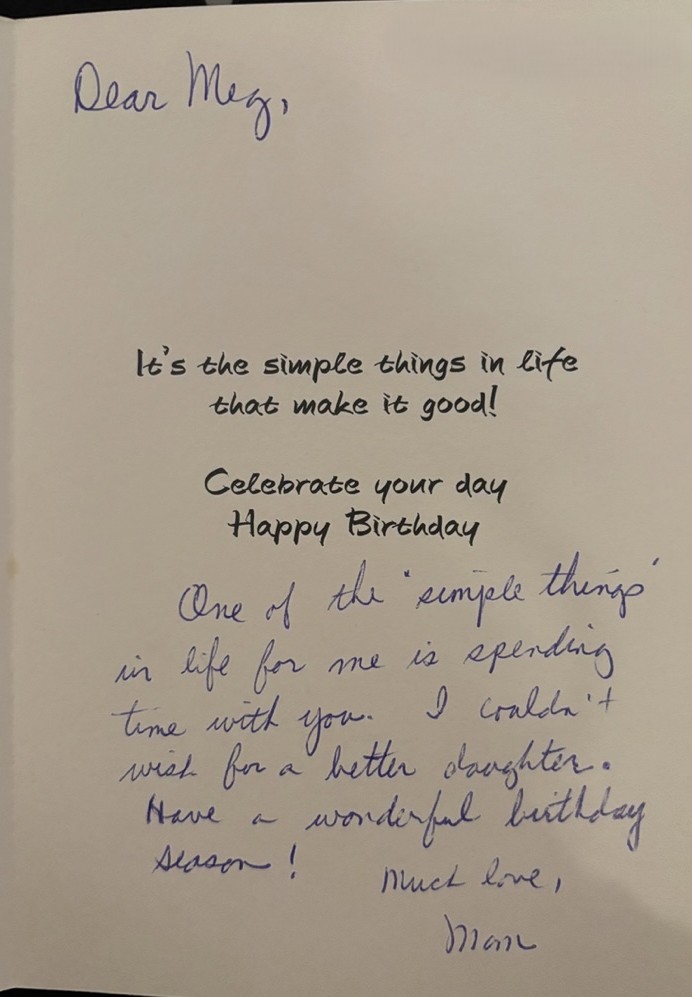
I think about all the ways I could have done better by her. I’d start by wiping the scowl off my face in her college graduation photos. I was in 11th grade and I couldn’t understand – not even close – what it took to finish college on the cusp of 50 with 3 kids and a household to run. I also think of her every time I unload the dishwasher. I wish I could tell her I am sorry for all the times I took a clean bowl out of the dishwasher and left the rest, as though I didn’t know who that chore would fall to. I could have done better. And also I was a kid and I own my selfishness and recognize that one of the blessings of a mom like mine is that she loved me even when I was at my worst. What I lost is the opportunity to tell her, “I got mine, mom. Ha ha! Karma is a bitch.” And then she’d smile and we’d laugh. Clearly from the birthday card pictured she only dwelled on the best in me – and we did have part of my adult life to enjoy each other’s company and make up for my teenage transgressions. We traveled around Europe together for two weeks when I was in my mid-20s and she told me she had to pinch herself that I wanted to spend so much time with “your dear old mom.” It was a gift, in both senses of the word. Sometimes I let myself dawdle at the precipice of imaginings about what the last 14 years could have been like for me and my kids, but that generally leads to a vice tightening sensation around my heart and lungs so I tamp it down. When did that kind of thinking ever lead anywhere good?

Oh, my mom is still here. But she’s so far gone. She deserves better than the indignities Alzheimer’s has thrown at her, slowly robbing her of her memories and her agency and everything that made her her.

I’ll be precise. Not exactly everything. She does still smile and sometimes she laughs, too. She still taps her toes to music and raises her arms in the air as though she is conducting an orchestra. She is still loving and wants to be loved. Those things are all authentically her. In fact, perhaps the most remarkable thing about my mom is that her Alzheimer’s journey has been the epitome of grace. Somehow, despite having aphasia and being on the severe side of the cognitive impairment scale when we moved her into memory care, she has managed to create connection and to build relationships. The caregivers and nurses at her facility truly love her. It’s remarkable that she has been able to affect people in this way, to somehow remain her outgoing, loving self and make a bond with others, despite everything.

And by everything, wew, let me tell you, it’s a lot. My mom is dying a slow death by a thousand cuts and indignities. As am I, emotionally. She’d be so pissed if she was of sound mind and she walked in to see herself now. I know this and there’s nothing I can do about it. I just keep showing up and showing her love no matter what, like she always did for me. I hold her hand, I clip her nails, I feed her pudding and chocolate chip cookies. And there’s real and unexpected joy in these little moments, seeing her take pleasure in those things (specifically the pudding and cookies). It’s very clear that she enjoys these treats – her eyes soften and glimmer, she chews with her mouth closed, slowly, savoring the moment. She is happy and able to experience joy. I try to find peace in this reality.

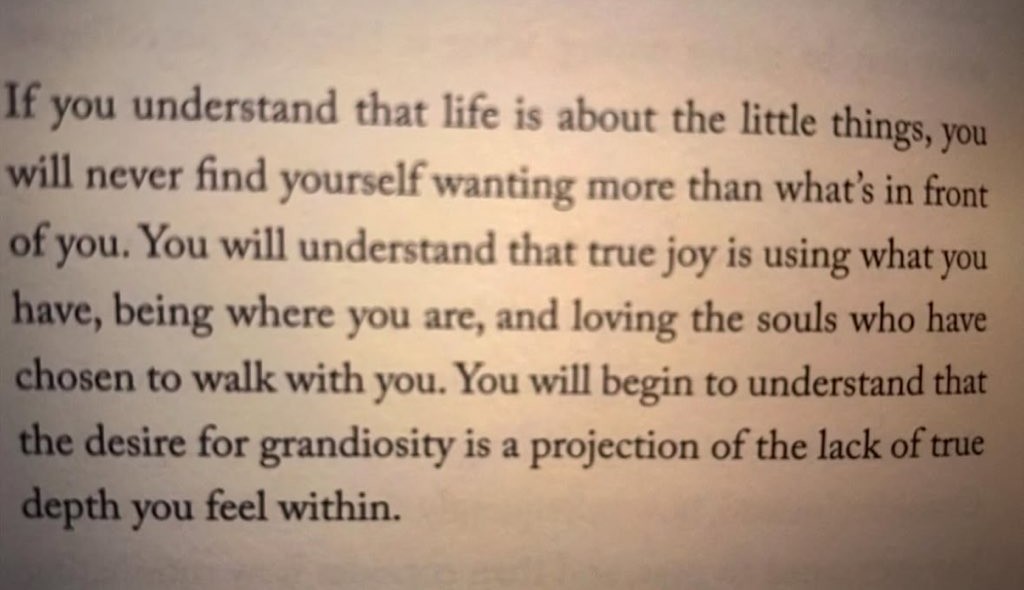
I have grieved aspects of my mom in multitude different ways over the last 14 years since concerns about her memory were first raised. It’s astonishing that you can grieve and plateau and then something new happens and you grieve again, but differently. And yet this grief has no closure. I’ve been told that there is more grief to come when she actually departs from this world. It’s a pretty stunning thing to grieve someone for 14 years and not even have started yet. Sure, I’ve adapted over time to wherever she is in each stage of this disease. I’ve learned to make conversation with myself and nod and smile to her nonsensical words since she has been nonverbal for so long. I try not to notice the crumbs scattered all over her shirt and lap, or that she’s not wearing her own clothes the majority of the time. Sometimes my inner narrator gets angry, as though her tenacious hold on life is some sort of punishment of me. But I know rationally that she would never want this for herself, let alone for me. Her body and a version of her spirit just keep going for some mysterious reason, and I keep trying to find new ways to sustain my reserves, to adapt, to love her, to live in the moment, to focus on the simple things, and to keep going, too. Just like my mom taught me, and teaches me still.

Don’t You Forget About Me – It’s Personal

As I mentioned in a prior post, I put a bunch of resources together in a Dementia & Caregiving Resources link on this site for anyone in a dementia-related caregiving role. Some I have used, others I just have come across in the last decade of being a caregiver to my mom.

When I started this journey I hardly knew where to turn. I needed a whole new vocabulary, and a pretty abrupt redirect from wiping baby bottoms, facing my own newly diagnosed auto-immune disease, and trying to get back into the workforce. For a long time – too long – I tried to juggle it all, not understanding that even when I wasn’t earning a paycheck I was still a “working mom.” But that’s another story.

The Dementia and Caregivers resources page is intended as a starting point for anyone in my 10-years-ago-self’s shoes, while acknowledging that it’s not comprehensive or vetted and that each person’s experience, needs, financial latitude, relationship to the dementia patient, etc. will be unique. I understand that in the early days/years after a dementia diagnosis there’s both a desire/need to create a plan and know what to expect toggled with intense overwhelm and grief. If you peak under too many stones too early what you see can be unimaginable and emotionally paralyzing. While I recognize that, hopefully readers can take what they need when they need it from these resources and reflections. It is very, very hard to face any of this.

For context on my own experience, I have had to learn not to try or to expect to be an expert in ALL things ALL the time. I simply don’t – and can’t possibly – know everything there is to know about caregiving for someone with dementia. Doctors tend to reel off medical terms and medications like I, too, have a medical degree. MMSE (Mini Mental State Exam) score? Namenda versus Aricept? ADLs (Activities of Daily Living)? What on EARTH are people talking about? I felt like I needed to know more than I did – for a time, that I SHOULD know more (the directive of the word “should!” rises again) so I did what I do, which is to carpet bomb with questions everyone and everything I could. I attended a caregiver’s course through the Alzheimer’s Association; I visited assisted living facilities to see what they were like, what they cost, how long the waitlists were; I talked to my mom’s doctors from neurology to primary care right on down to allergy and ENT, not to mention lawyers and health insurers, property insurers and banks. And, oh my gosh, Medicare and the Social Security Administration – God help us all. Those frequently left me in tears because damn if they don’t make an already difficult situation so much harder.

I used the Alzheimer’s Association helpline once very early on – it was free so no harm no foul. It was nice to be listened to, but without firm answers or a checklist my anxiety spiraled. They sent me reams of paper with lists of assisted living homes and god knows what else that just left me totally overwhelmed. As I recall it, there was no context to anything they sent about how to choose what would be a good fit for our family and budget, how to narrow the list down, questions to ask, when to even start thinking about this step. What I wanted was a guide, a timeline, and a checklist. Probably a good social worker could have provided a lot of that, but somehow we slipped through the cracks and were not assigned to one. Okay, I take that back, we were given a contact at my mom’s neurologist, but she never gave me the sense that she was really listening to me nor offered any actionable steps to address my concerns so it felt like we were not assigned to anyone. Plus it’s so incredibly hard to actually reach a human being at a doctor’s office. You can choose all the options you want when you dial in, but you are still going to end up in voicemail. And if the call is ever returned you are inevitably standing in the middle of the grocery store or holding a kid on the monkey bars at the playground when it comes. I gave up on her pretty quickly, and at the end of the day slogged through most of figuring out what comes next feeling pretty alone.

I should note before I go on that the definition of “senior,” “elder,” and “geriatric” get kinda squishy at this stage of the game. I mean, 55+ housing is often marketed as “senior” housing, which given my viewpoint of the calendar of life right now is pretty laughable. 55 isn’t old and so, therefore, perhaps maybe neither are seniors? I don’t really know anymore, but I do know that those terms can be triggering, no one wants to labeled any of them really, but apparently that’s where we are all headed and sooner than we might think. SO, as with most labels, don’t hold onto them too tightly.

At a certain point when my mom still lived 300 miles away, I worked with a couple different geriatric care managers (GCMs), which is a type of social worker specifically focused on elder care (and therefore typically familiar with all the dementias), a resource that I reference in the Dementia and Caregivers Resources link. I thought once I hired a GCM that I’d be able to kick back and reprise my role as a daughter while watching all the issues and decisions I was facing evaporate. Sadly, that was not the case. I still had to call all the shots, but now I was being billed an hourly rate every time I picked up the phone or sent an email discussing options. I mostly felt like a middleman but with really big bills. Maybe GCMs are kind of like travel agents. Do you need them in this day and age where everything is online? Not really. Can they be super helpful whittling down options, creating tasks lists, and making a plan tailored to your family and your needs out of the amorphous blob that is information overload? Definitely. At the stage where I hired my GCMs I had pretty much already planned the trip, so to speak, so didn’t feel like I was getting much value from them. In the early stages when I had no idea what to do and they were willing to listen as I slowly lost my own mind, they were incredibly helpful and I owe a debt of extreme gratitude to the GCM who took my calls in those early days and offered me a steadying hand and a sympathetic ear. Though the later stages were a miss for me, this is not the case for everyone. Some of the references I called before hiring a GCM said they absolutely could not have cared for their loved one without them.

Like I said, everyone’s needs and circumstances are different. Caring for people with cognitive issues is intensely difficult- it’s emotionally devastating, impacts all aspects of their lives and their family’s life, can go on seemingly forever with modest declines (or go super quick – and no one can predict what you are going to get or how it’s going to play out), there are no days off, and it’s extremely expensive. You grieve and live and care for them all at once, often for years on end. Hence, the support resources.

Lastly, if you are at all like me and caring for someone with dementia who is genetically linked to you, you might find that you can’t help but worry about what the future has in store for your own brain. It seems that the suggested course of action, since there isn’t really anything else yet, always comes back to a healthy diet, exercise, and socialization. The metrics of those recommendations are a little fuzzy, but generally what’s good for the body is good for the mind. Now the McCance Center at Mass General Hospital also has a Brain Care Score that offers a somewhat more personalized, science-driven approach to measuring and enhancing brain health.

Good luck. And don’t forget to breathe through it all. It does actually help.

Don’t You Forget About Me Part III – Resources

Just a quick note here to say that I have added an entire drop down menu for various types of resources about dementia and caregiving. So check that out from the homepage menu.

Also, I had no idea that Rosalynn Carter noticed and has been addressing the hard work of caregivers for over 35 years. Until she passed away on November 19, I only vaguely knew who she was, and mostly it was as a team with former President Jimmy Carter. Today, as she is laid to rest, seems the best day of all to recognize the incredible contributions she has made to this world.

Don’t You Forget About Me Part II – Memory (and Mortality) on My Mind

It is ironic that, if you’re lucky, you’ll end up getting old. And, yet, most people (Americans, anyway) are in complete denial about it. The vast majority fight any changes to their lifestyle until they find themselves in a full-on crisis. Human nature? A fighting spirit?

Letting go of a phase of life is hard, especially when accompanied by stubbornness (that is possibly – probably? – driven by grief and fear). Amusingly, from my observations, there is also a dose of ageism and othering, as in, “old people live in ‘those places’ and I don’t want to be surrounded by old people” (to be fair, given that I continue to think I am 25 and that ship sailed a couple decades ago, I can see more clearly now how this cognitive dissonance could happen). And then, of course, there’s our culturally-driven death denialism. This excellent TED Talk and NPR story – Death Is Inevitable. Why Don’t We Talk About It More? – lays out very honestly the reality that life and death go hand in hand. What are we afraid of?

I get that it’s hard to face a future where you might be less capable than you are now. Or dead. But, also, if you don’t approach that future proactively, you put someone who loves you (or is responsible for you) in a position of having to do it for you. And what’s really not fun? THAT. Because being in a situation where a decision is made for you doesn’t feel great for anyone involved.

The website and podcast Best Life Best Death provides great insights and resources for these types of discussions and decisions. It turns out that as scary as it might be to think about, it’s actually quite empowering to face into it. Atul Gawande’s book Being Mortal: Medicine and What Matters in the End, similarly, discusses end-of-life care and aging, specifically with the lens that medicine CAN – and often does – prolong life, but it doesn’t distinguish between quality versus quantity.

One aspect of aging that Gawande discusses that resonates with my lived experience is long-term care. This can be achieved through in-home care or a care home/assisted living-style place. In-home care can work up to a point – it depends on how many hours of care are needed, if there is more than one person in the home, if you can find good caregivers. With in-home care the vetting, hiring, firing, and oversight of caregivers falls on the family. In a care facility, that level of management gets taken care of. In my experience, the economies of scale flip dramatically toward a care facility when overnight care is required. As I mentioned in my first post on long-term care, it is a big, complicated, and multi-faceted subject.

Gawande notes that the traditional nursing home, which is probably what comes to mind if you are 30 or older and haven’t been in the trenches of caregiving in the last decade, focused so heavily on resident safety that the living environment was, well, institutional – personality-less, depressing, and uninspiring. More and more community-focused and less institutional options exist now, like the one in the Netherlands highlighted in the NPR episode I spoke on several months ago (link) or the one in France (link) or the one in Canada (link). They may not exist in the U.S. in the distinct forms reflected in those examples, but there are definitely independent and assisted living communities that nurture the same kind of vibe. Where my mom lives, for example, though it’s not a village design per se, residents move about freely, have choice with their daily meals and activities, and staff provide creative programming to keep residents engaged (ie no one is sitting in a wheelchair in a hospital-like corridor staring into space for hours on end).

These communities answer the concern of not wanting to be isolated, institutionalized or separated from the rest of society as we age. For people of sound mind right up to moderate dementia, they are a downright dreamy compromise between maintaining one’s autonomy and agency while living in a place that fosters community and can handle the inevitable issues that arise as one ages (falling, complicated medication management, mobility issues, impaired driving, etc.). And that’s great.

BUT, when you are talking about someone with Alzheimer’s or dementia, it’s a whole different ballgame. As those diseases progress, the bucolic concepts of integration into an age-diverse community and free-will are just not realistic.

I really stumbled in Gawande’s book and in listening to the NPR piece about adapting care models in the US over this issue. It’s this grand philosophical abyss: what happens when a person no longer has the ability to make decisions for themselves, but also isn’t actively dying any more than the rest of us? There isn’t quality to preserve or new memories to be made or even old memories to review. It’s just an existence. My mom has all the free-will in the world, but doesn’t move of her own volition. She doesn’t speak or make any decisions either. She is well-loved by her care team, her needs are met, and she seems happy. Which is an enormous relief for me. But, if she weren’t, and many aren’t, what really can be done about it? It’s much more fuzzy from this vantage point to expound upon what matters most in the end. The end, when it involves dementia, can be quite a lengthy state of pending for all involved. I’ve taken to calling it grief purgatory.

There is an absolutely perfect discussion of this challenge in a super funny/sad podcast called Let’s Not be Kidding. Episode 6 – The Bus Stop at the End of the World – sets up so much of what I have been trying to write about but keep getting tripped up over. Listen to minute 3:30 to 5:50 or so…it even mentions the, gulp, costs (which I will get into another time and, of course, impact many people’s proactive efforts – if you can’t afford a care home, what else is there to do but wait until the crisis comes?).

My mom has lived at the bus stop at the end of the world for five years. Even here, we used to go for coffee and for long walks in her neighborhood. She would join our family for Thanksgiving or Mother’s Day or just to visit. Now it’s a project to get her from her bedroom to the community room. It’s a continuing evolution to less. I consider the village style residences and the premise of changing long-term care in the U.S. for people with dementia, as discussed in the NPR episode I was interviewed for, and I’ve decided that we have to face the fact that there are two different situations happening here. One is early stage dementia or just a nice, older person trying not to be a burden on their relatives and choosing to move to some sort of retirement community. And then there are the locked floor stages of dementia and Alzheimer’s with assistance required for all activities of daily life. And these are vastly different. The needs of the patient as well as the families throughout each of these stages and levels of aging and caregiving are also vastly different.

Oddly, the most held I’ve ever been in this decade-long journey was when my mom was on hospice and seemed to be actively dying (spoiler alert: she didn’t). It was the early years when we suspected Alzheimer’s and just after her diagnosis when I really could have used the knowledge, understanding, and support that comes with hospice. I had literally no idea where to even start in those days. It’s been 10 years now and I speak with people every few months who get sent my way one way or another because they are facing similar questions and concerns and don’t know where to turn. Existing support systems – logistical, financial and emotional – are woefully inadequate. Families and caregivers across all income brackets need help to function – and to keep functioning for the many years that these diseases interrupt a life – until someone figures this whole dementia issue out.

I haven’t even gotten to the part where the needs of dementia patients are 24/7/365 and typically beyond the capability of a single individual. And that universally across the US the number of domestic workers/health aides/caregivers is really low and the quality and reliability of these care providers is wildly variable, both for in-home care and at a facility. This is a profession that is traditionally underpaid and these workers need support to achieve adequate wages, health insurance, paid leave, job training, and retirement planning for themselves. If domestic workers aren’t treated with dignity and can’t achieve a living wage, how do we expect to care for our aging population as the number of people living with dementia increases?

I don’t know where the oxygen mask is in this post, but I felt all this needed to be said (and maybe that’s it, I just needed to put it out there and get it off my chest – surely there are others who are or will experience this, and there’s some solidarity in that). Adjusting the architecture, design, and ethos of care communities is surely one piece of the puzzle. However, as ever, fundamentally what makes a home are the people in it and how they care for each other. The people who are losing their agency, their families, and their caregivers need to be integral to and at the forefront of making long-term care better.

And, with that, I need to publish this thing once and for all!

Deep breath. Somehow, we got this.