
The truth is, maybe I couldn’t have lost my mom any other way.
What if I was still used to our daily phone calls, habituated to her answering my call or email within hours if not minutes, used to the certainty that she would listen to whatever I had to say – a quandary, a train of consciousness, the latest good or bad news – without judgment? If that had just stopped all at once, maybe I wouldn’t have survived it.
At first Alzheimer’s presented itself in repeated dialogue, repeated questions, consternation when a waitress brought the meal she ordered but not the one that fifteen to twenty minutes later she was expecting. In those days, the synapses just seemed to not quite be firing on all cylinders. Those who loved her knew something wasn’t quite right, but we weren’t exactly sure where the line between getting older and a significant problem lay. My mom had incredible social graces coupled with fierce pride so she could get away with a lot and the rest she clearly didn’t want to talk about so we trundled along like that for a couple of years.
Over time, the phone calls and emails became less frequent, more repetitive, and more confused. Often when I asked what she had been up to it was clear she was making stuff up that sounded like things she could plausibly be spending her time doing. Eventually we just talked about the weather. Out at dinner she’d look at the menu and then say, “I’ll have what she’s having.”
And then, after a couple more years, the phone calls, unless facilitated by an aide, stopped altogether. Sometimes she would hold her TV remote to her head when the phone rang, annoyed she couldn’t get it to work. But by then I had weaned myself off of our regular conversations. They had become so stilted anyway that it didn’t hurt so much. I was mainly consumed by that point in figuring out what needed to be done to facilitate her life and her safety.
At this stage, she couldn’t follow directions when she was driving somewhere new, couldn’t help my kids navigate the treasure hunt map at a children’s event to figure out where the gold doubloons were buried in the sandbox. She would show up at events that weren’t scheduled and miss ones that were. I can’t remember the number of ATM cards that had to be replaced. Executive functioning skills pretty much altogether went out the window – though she did somehow manage to sign up for an online dating site and execute on organizing a date at the local coffee shop. SO many times during this journey I have wondered, “how is THAT the thing you remember?”
It went on like this. Ironically, I look back and see how much was still left of my mom then. I knew enough to know that the Alzheimer’s diagnosis was a shot across the bow that forced me pay attention to every minute I had with her in a way I may have taken for granted if I didn’t know she had a degenerative, terminal disease. I mean, we are all going to die, right? But that doesn’t mean we pay attention when we are busy living our own lives. That’s natural. I try to look on the bright side that this gutting diagnosis made me go back home to spend time with my mom more often than I might have otherwise during that stage of my life.
I still cry sometimes for what I have lost over the years, all the what-could-have-been’s. Alzheimer’s continues to find new and creative ways to take a piece of my mom away and reignite my grief. This slow, trickling loss is death by a thousand cuts. As a friend’s mom used to say, “It’s not easy getting into this world and it’s not easy getting out of it either.”
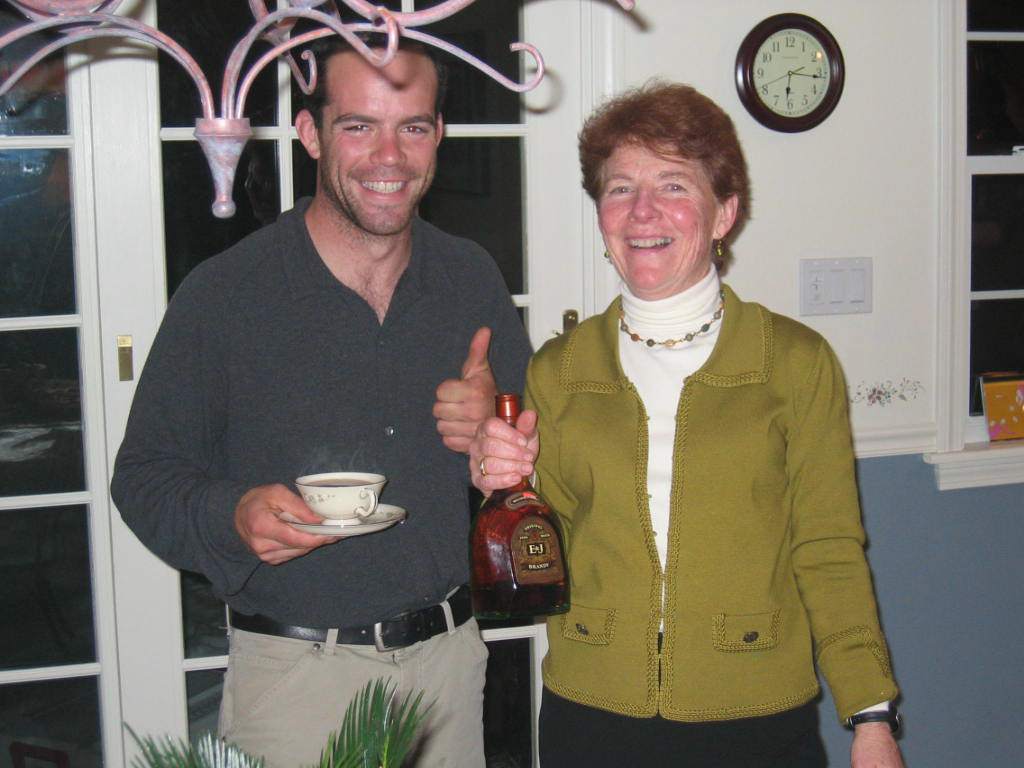
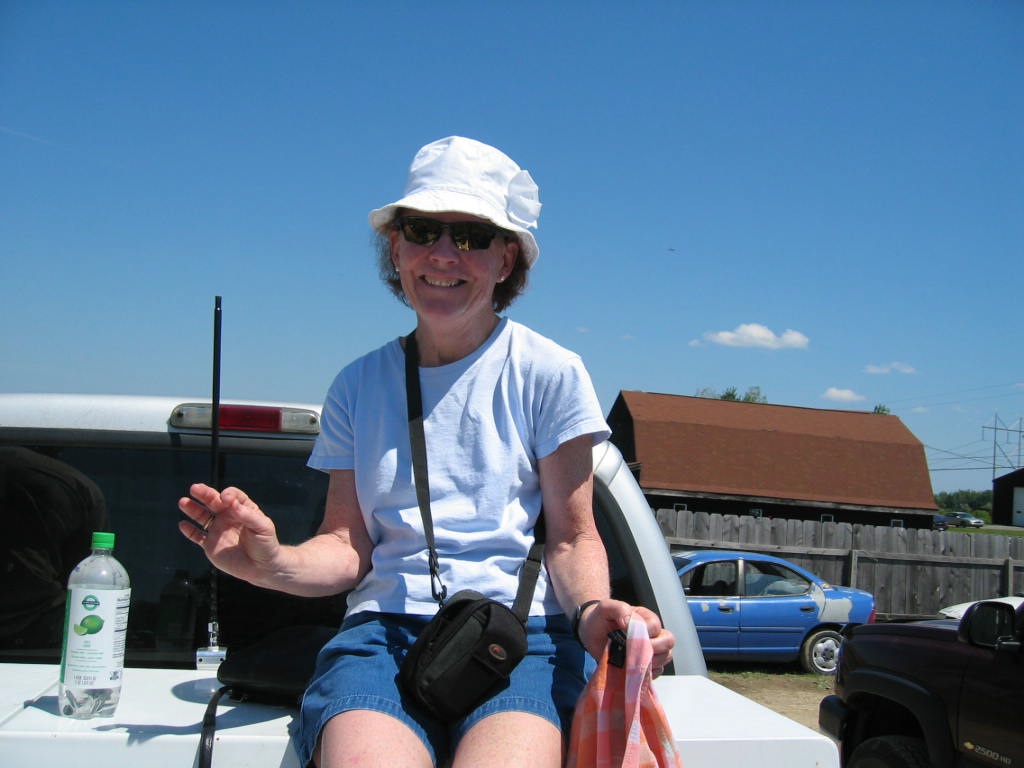
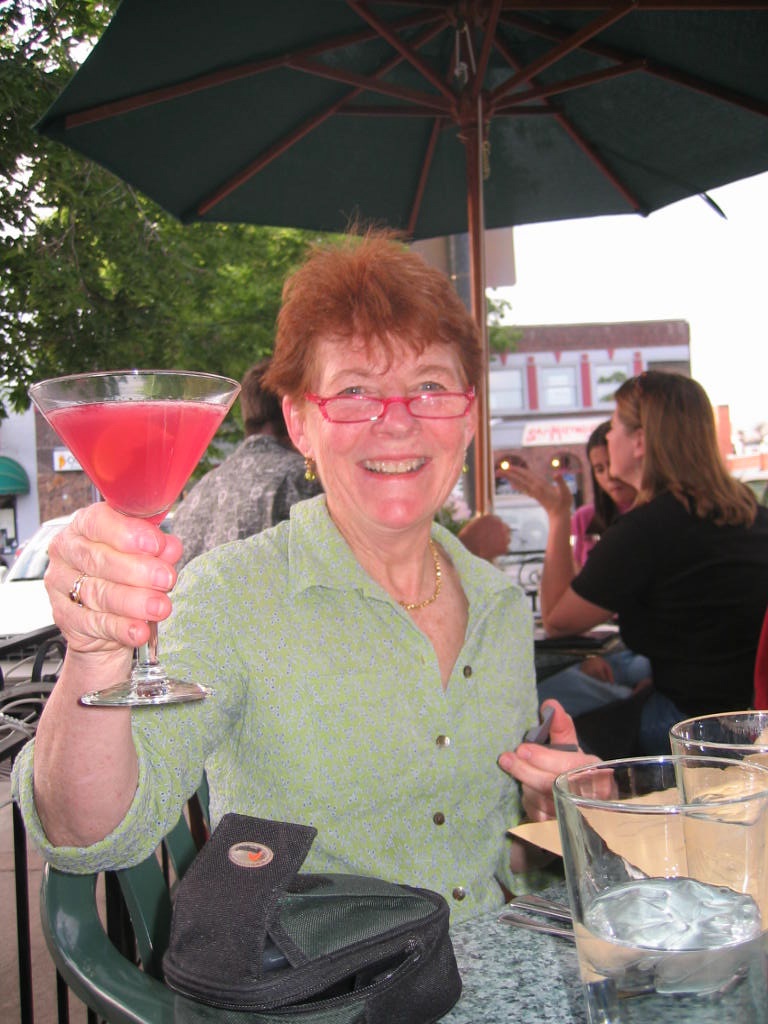
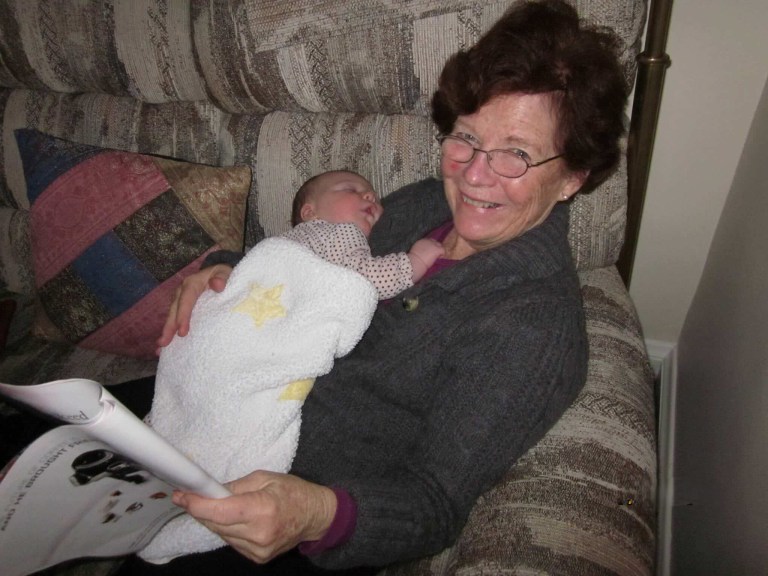
I started this post thinking I would show one picture from every year my mom has lived with Alzheimer’s to display how it impacts a life, slowly but surely, over time. I started collecting photos – and it’s breathtaking how I hardly noticed the shifts as they were happening but now I can barely remember when she used to be able to speak. I realized, though, that my mom would want to be remembered for the independent, life-of-the-party, no bull, devoted mother, sister, aunt, friend, and wife that she was. The last 13 to 14 years are a chapter – a long one with lots of ups and downs, granted – during which she has exuded her characteristic grace and loving spirit but has also been more vulnerable and had less agency than her prior 68 to 70 years. Since I’ve written so much about her I thought I’d share some pictures that capture her the way I think she’d like to be remembered.
She’s still here, but she’s slipping away (in her typical fashion – on her own time, doing it to the tune of Frank Sinatra’s “My Way” till the very end). We have done the best we could with the cards we were dealt, and she also deserved to get so much more out of these years than this disease allowed.
I’ve had a lot of years to figure out my role in this journey and have worked hard not to lose myself in it. There’s a good reason that I started a blog called “Put Your Own Oxygen Mask on First.” I learned first what happens when you don’t, and then spent the rest of these caregiving years trying to take care of myself, too. I am applying those lessons as my watch over my mom comes to an end. For me, that means carving out time to be with my family and friends. It means getting regular exercise and not compromising on that 1/2 hour or hour of me time. It also means trying to eat well. Or just eat. When things get really busy and/or I am really sad, I tend to skip meals. That starts a cascading effect of low blood sugar, which manifests as fatigue and irritability, and then triggers cortisol and adrenaline bursts that cause increased anxiety (all of which can reignite my Rheumatoid Arthritis). In the early days after my mom was diagnosed I was downright skinny. But not healthy. This type of rollercoaster isn’t good for my body or mind and it certainly doesn’t put me in a good position to advocate for my mom or my kids. Always put your own oxygen mask on first before assisting another passenger on this journey of life!
As I begin a more reflective stage in my caregiving journey, I put together a list of logistical priorities that, in my experience, become important fast when confronted with the overwhelm of what it means to care for someone with an Alzheimer’s diagnosis. Check it out in my Dementia and Caregiving Resources. And, please, if you have the means, support Alzheimer’s research (I personally like Cure Alzheimer’s Fund, but, mercifully, there are others and work is being done constantly to try to figure this out).
Like I said, she is still here, but I know I’ll love and miss this woman for all my days. I already do.






 Put Your Own Oxygen Mask on First